

 EN
EN
 русский
 Español
 عربى
عربى Français
Single-Person XL Outdoor Portable Toilet: A Spacious, Flexible, and Factory-Engineered Sanitation Solution
Admin 2026-08-30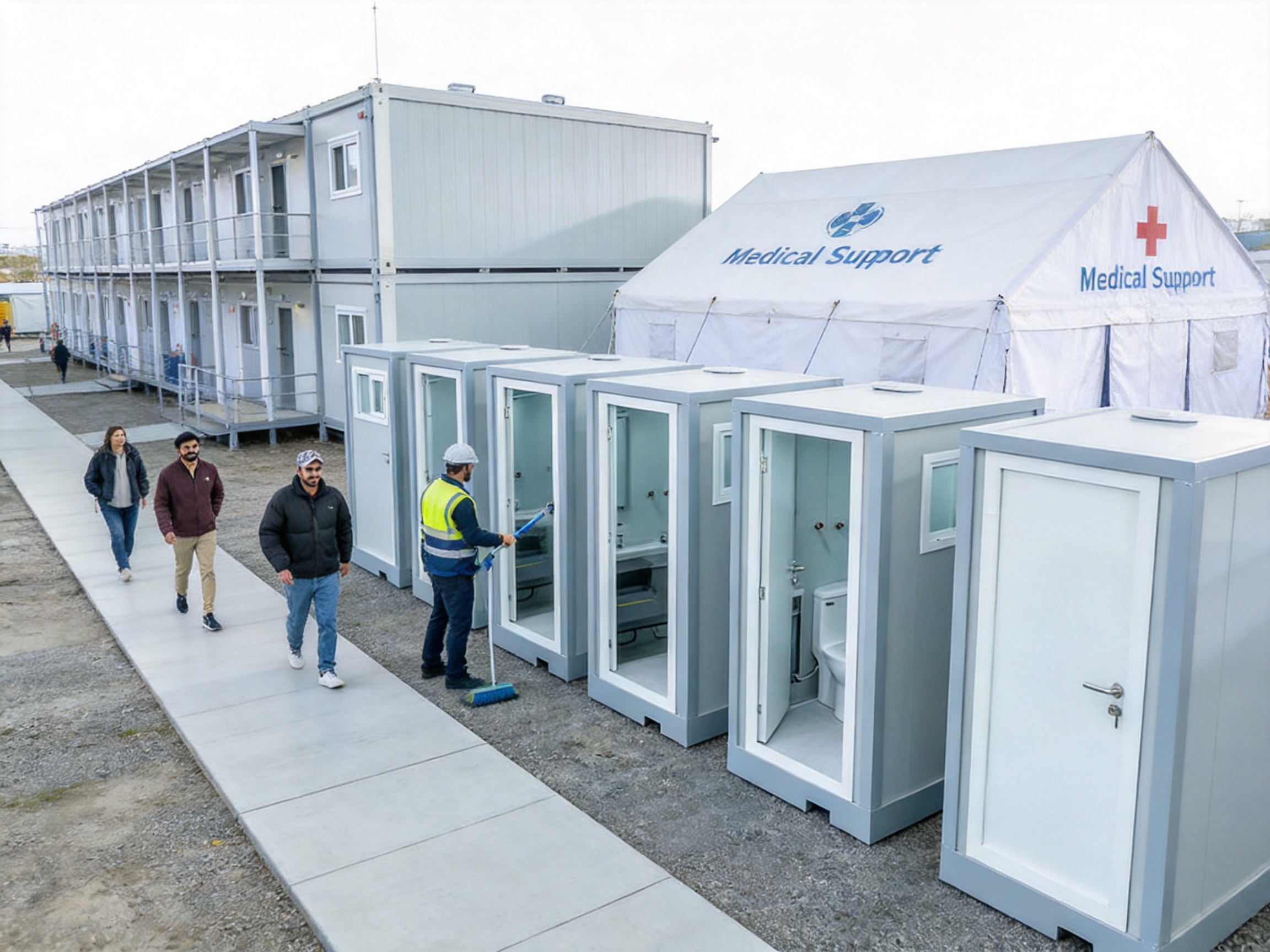
Reliable sanitation is essential wherever people live, work, travel, or respond to emergencies. Construction sites, campsites, public events, remote work areas, disaster-relief locations, and temporary accommodation projects all require restroom facilities that are clean, private, practical, and easy to deploy. In many of these environments, a permanent building is unavailable or impractical, while conventional portable toilets may provide insufficient interior space or limited functionality.
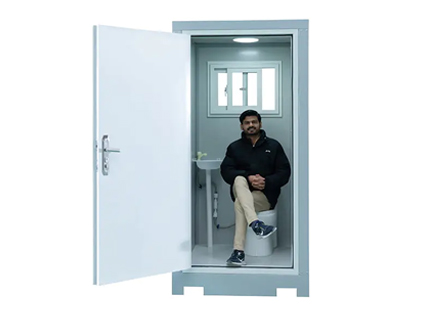
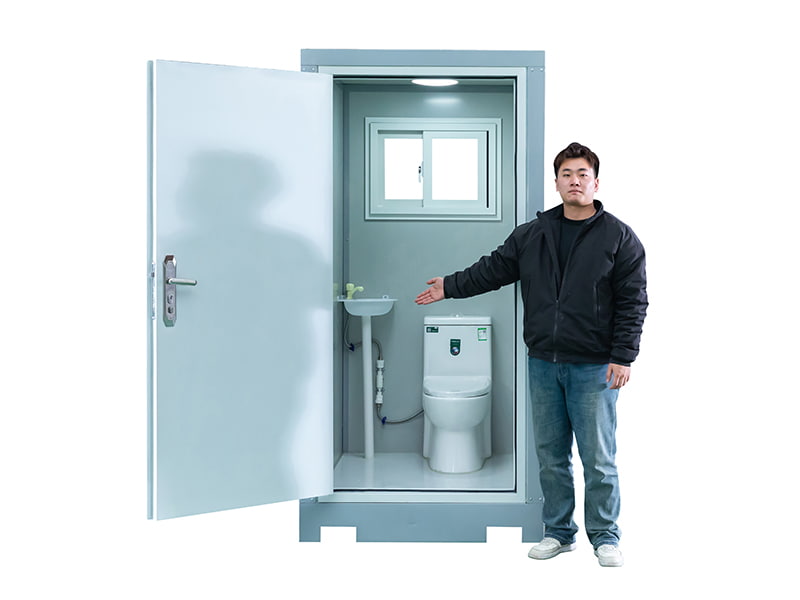
The Single-Person XL Outdoor Portable Toilet is designed to address these challenges with a larger private compartment, a durable structure, and adaptable interior options. It provides more room than a standard single-user portable toilet while maintaining the mobility and deployment flexibility expected from a temporary restroom. The design can also accommodate a washbasin or personal hygiene equipment, allowing one unit to function as both a restroom and a compact sanitation station.
Manufactured by Suzhou Taimao Integrated Housing Co., Ltd., this portable restroom reflects the company’s broader expertise in modular buildings, prefabricated structures, portable houses, container solutions, and integrated construction systems. Its manufacturing philosophy emphasizes factory-controlled production, coordinated structural and building-service integration, efficient transportation, rapid installation, and reduced on-site work.
For buyers comparing temporary sanitation products, the key value of this XL portable toilet is not simply its size. Its advantage lies in the combination of personal comfort, privacy, relocation capability, customization potential, structural stability, and compatibility with broader modular-building projects.
Content
- 1 Why Outdoor Sanitation Requires a Better Portable Toilet
- 2 Product Overview
- 3 Advantages of the XL Single-User Design
- 4 Comparison with Conventional Portable Restrooms
- 5 Applications Across Different Environments
- 6 Factory-Controlled Manufacturing and Integrated Construction Expertise
- 7 Materials, Durability, and Outdoor Readiness
- 8 Customization and Project Configuration
- 9 Operational Benefits for Project Managers
- 10 Hygiene, Cleaning, and Maintenance Considerations
- 11 Transportation and Deployment
- 12 Why Choose an Experienced Modular Manufacturer
- 13 Environmental and Resource Considerations
- 14 How to Select the Right Configuration
- 15 Installation Workflow
- 16 Performance in Different Project Scenarios
- 17 Product Advantages at a Glance
- 18 Frequently Asked Questions
- 18.1 What is the Single-Person XL Outdoor Portable Toilet?
- 18.2 How is it different from a standard portable toilet?
- 18.3 Can a washbasin be installed inside?
- 18.4 Is the unit suitable for construction sites?
- 18.5 Can it be used for emergency relief?
- 18.6 Is it appropriate for long-term temporary use?
- 18.7 Can the restroom be relocated after installation?
- 18.8 Does it require permanent plumbing?
- 18.9 What type of surface is needed?
- 18.10 Can it be ordered in multiple units?
- 18.11 Can the product be integrated with other temporary buildings?
- 18.12 Who manufactures the product?
- 18.13 What information should be provided when requesting a quotation?
- 19 Procurement Guidance for International Buyers
- 20 About the Manufacturing Company
- 21 Conclusion
- 22 References
- 23 Product: Single-Person XL Outdoor Portable Toilet
Why Outdoor Sanitation Requires a Better Portable Toilet
Temporary facilities are often installed in conditions that are more demanding than ordinary indoor environments. They may need to serve users in rain, heat, cold, dust, wind, crowded work zones, remote locations, or rapidly changing emergency situations. A restroom that is difficult to move, slow to install, or uncomfortable to use can create operational problems for an entire project.
Standard portable toilets are usually designed around minimum space requirements. This approach can keep the unit compact, but it may also result in a cramped interior, limited turning space, restricted movement, and little room for personal hygiene equipment. For short-term events, these limitations may be acceptable. For construction workers, campers, relief personnel, residents of temporary housing, or users who require greater personal space, a larger design is often more appropriate.
The Single-Person XL Outdoor Portable Toilet offers a different approach. Instead of treating the restroom as a small compartment with only the most basic function, it provides a more comfortable individual environment. The user has additional space to enter, turn, use the toilet, and maintain personal privacy. Depending on the project requirements, the interior may also be configured with a washbasin or hygiene facilities.
This flexibility is particularly valuable when the unit must support extended use. A restroom at a remote work camp, temporary housing area, or emergency site may be used repeatedly over days or weeks. In these cases, better interior space and practical hygiene features can improve user satisfaction, convenience, and overall site management.
Product Overview
The Single-Person XL Outdoor Portable Toilet is a mobile restroom intended for one user at a time. Its primary purpose is to provide a private, weather-resistant, and quickly deployable sanitation facility in locations where a permanent restroom is unavailable or construction would take too long.
The unit is suitable for outdoor sites, camping areas, emergency-relief operations, temporary accommodations, construction projects, remote facilities, and other applications requiring movable sanitation infrastructure. Because it is designed as a standalone unit, it can be positioned close to the area where it is needed and relocated when site conditions change.
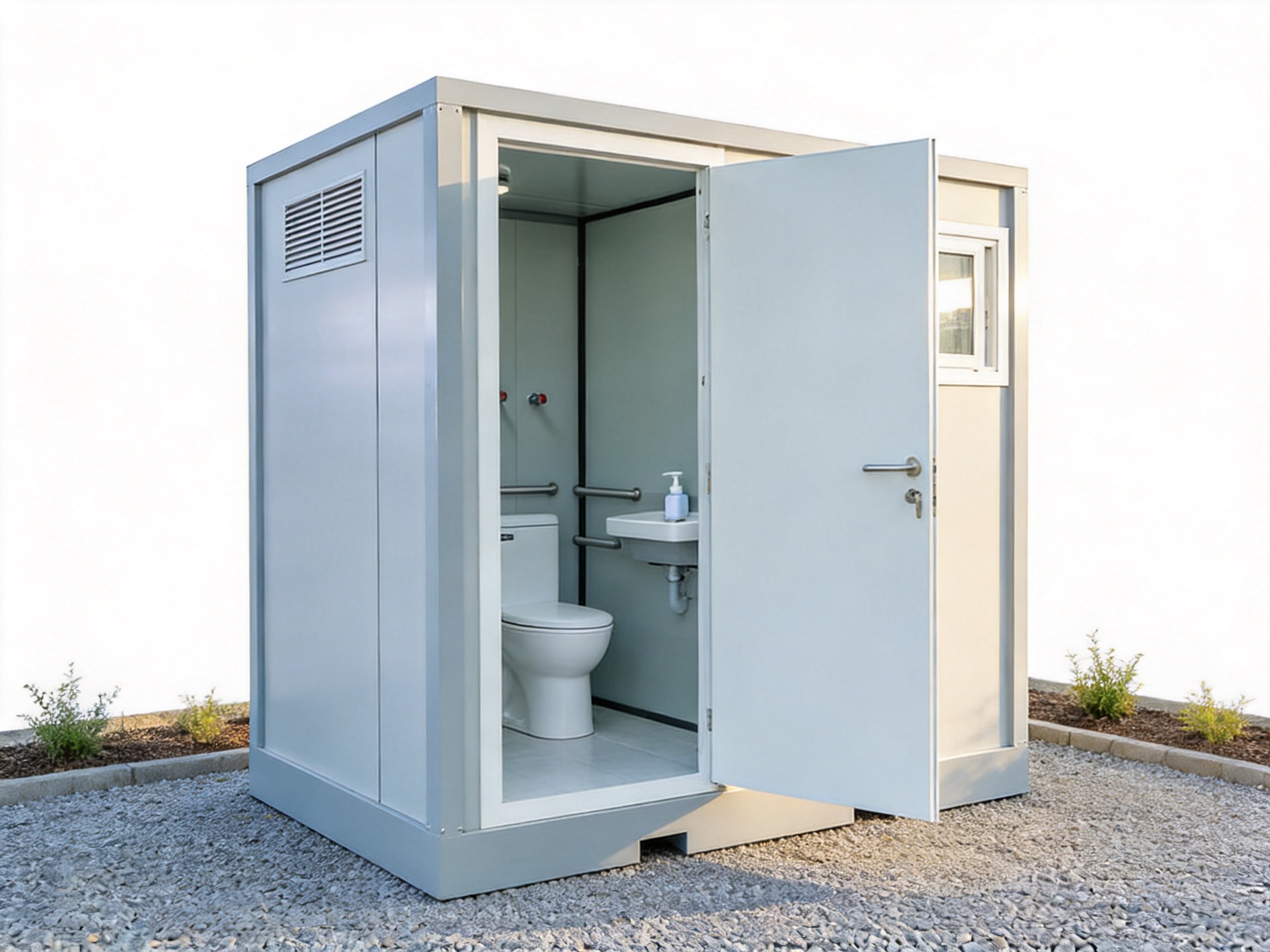
Its defining characteristic is the XL interior. Compared with many compact portable toilet designs, the larger internal area offers improved freedom of movement. This can make entering and exiting easier, reduce the feeling of confinement, and provide additional room for optional hygiene equipment.
The unit can be configured according to the practical requirements of the project. Depending on the intended installation and local site conditions, buyers may request an interior washbasin or personal hygiene setup. This makes the product more versatile than a basic toilet-only enclosure.
The structure is designed for outdoor use and frequent relocation. It combines portability with a stable enclosure suitable for temporary deployment. Once placed and connected according to the project plan, it can be made ready for use without the long construction period associated with a permanent restroom building.
Main Product Characteristics
The product offers a spacious single-user compartment that prioritizes comfort and privacy. A user does not need to manage the same level of interior restriction found in many compact restroom units.
The optional washbasin or hygiene configuration supports handwashing and personal sanitation within the same private space. This is especially useful at construction sites, camps, remote locations, and relief areas where access to separate washing facilities may be limited.
The durable and stable structure is intended for frequent relocation and outdoor conditions. This allows project managers to adapt the facility as work zones, accommodation layouts, event areas, or emergency settlements change.
Quick deployment reduces the delay between delivery and operation. The unit is designed to become usable after appropriate placement, setup, and connection of any required services.
The portable format gives operators flexibility. It can function as a standalone restroom or become part of a larger temporary-facility plan that includes portable housing, container buildings, washing areas, accommodation units, and site offices.
Advantages of the XL Single-User Design
Greater Interior Comfort
The most immediate advantage is the larger interior space. A single-person restroom does not need to be limited to the smallest possible footprint. By increasing the usable area, the design provides a more comfortable experience for a wider range of users.
Additional room can make a noticeable difference in daily use. The user can enter more easily, close the door without feeling compressed, and move within the compartment with less difficulty. This is important for workers who may be wearing protective clothing, boots, rainwear, or safety equipment.
A spacious interior may also benefit users carrying small personal items or equipment. In outdoor environments, people often arrive at a restroom directly from a work area, campsite, event space, or emergency station. A larger compartment offers more practical room for these circumstances.
Improved Privacy
Privacy is a fundamental requirement for any restroom. The single-user layout provides an enclosed personal space rather than a shared or divided arrangement. This can be especially valuable at temporary accommodation sites, public events, remote facilities, and emergency locations where users may otherwise have limited privacy.
The private design is also suitable for projects serving diverse groups of users. Workers, visitors, campers, relief personnel, and temporary residents can use the unit independently. When several units are deployed, each can be positioned to create an organized and respectful sanitation area.
Space for Hygiene Facilities
A basic restroom fulfills one function, but modern temporary facilities often require more comprehensive sanitation. The XL interior makes it possible to include a washbasin or personal hygiene setup when requested.
This option can simplify site planning. Instead of installing a toilet in one location and a separate handwashing station somewhere else, the project may use an integrated restroom and washing unit. This can improve convenience and support better hygiene practices.
For emergency relief, handwashing is especially important. For construction sites and temporary accommodation, an integrated hygiene station can reduce unnecessary movement between facilities. For campsites and outdoor events, it offers a more complete user experience than a small toilet enclosure alone.
Better Suitability for Extended Use
Some portable toilets are intended primarily for short events or occasional use. The Single-Person XL Outdoor Portable Toilet is also suitable for applications where repeated daily use is expected. The larger internal space and optional hygiene features make it more appropriate for longer temporary projects.
Examples include construction sites operating for several months, temporary worker accommodation, remote infrastructure projects, seasonal camps, emergency settlements, and renovation projects where existing restrooms are unavailable.
When a portable facility is used frequently, comfort becomes an operational consideration rather than a luxury. A unit that is easier to use and maintain can contribute to better acceptance among workers and residents.
Comparison with Conventional Portable Restrooms
Portable restrooms vary widely in size, construction, equipment, and intended service period. A conventional compact portable toilet may be suitable for an event where the main priorities are low transport volume and basic functionality. However, it may not provide the same level of comfort or configuration flexibility as an XL single-user model.
The following comparison illustrates the general difference between a standard compact approach and the XL design. Actual specifications can vary according to the selected configuration, site requirements, and applicable project standards.
| Evaluation Area | Conventional Compact Portable Toilet | Single-Person XL Outdoor Portable Toilet |
|---|---|---|
| Interior space | Focused on minimum required footprint | Larger private compartment for improved movement |
| Primary use | Short events and basic temporary service | Events, worksites, camps, emergency areas, and temporary accommodations |
| Privacy | Individual enclosure with limited interior room | Individual enclosure emphasizing comfort and personal privacy |
| Hygiene facilities | Often toilet-only or externally arranged | Can be equipped with an interior washbasin or hygiene setup |
| Relocation | Portable, depending on model and handling method | Designed for flexible placement and frequent relocation |
| Extended use | May be less comfortable for long-duration projects | More suitable for repeated or extended daily use |
| Project integration | Usually treated as an independent unit | Can support broader temporary housing and modular-site planning |
The principal competitive advantage is therefore not that the unit performs a completely different function. It is that it performs the same essential function in a more spacious, adaptable, and project-oriented format.
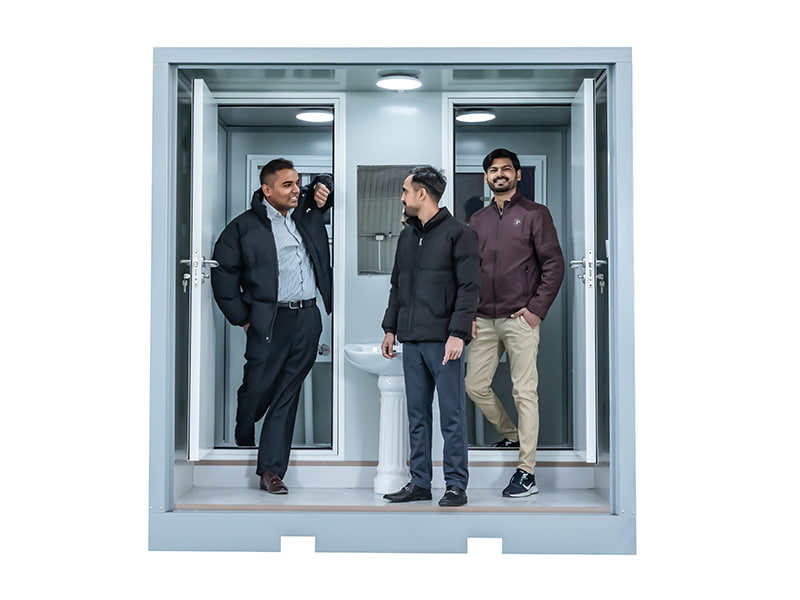
For an event organizer, the XL unit can provide a more comfortable guest facility. For a construction manager, it can support workers at changing work zones. For a relief organization, it can deliver private sanitation in a temporary settlement. For a site developer, it can be coordinated with portable accommodation and modular buildings.
Applications Across Different Environments
Construction Sites
Construction sites frequently change as a project advances. A restroom positioned correctly during excavation may become inconvenient once structural work begins. A portable unit can be moved as site circulation, work zones, and worker accommodation areas evolve.
The larger compartment is useful for personnel wearing helmets, work boots, reflective clothing, protective coveralls, or other equipment. The optional washbasin can support hand hygiene after handling materials, tools, dust, coatings, or other site substances.
Because the product is part of a company specializing in construction-site portable houses and modular structures, it can also be considered alongside site offices, worker accommodation, storage units, and other temporary buildings. This creates the potential for a more coordinated site-facility plan rather than a collection of unrelated products.
Camping and Outdoor Recreation
Outdoor recreation sites often need sanitation facilities without permanent construction. Campsites, temporary adventure bases, seasonal recreation areas, and private outdoor gatherings can use portable restrooms to improve visitor comfort.
The XL format is especially suitable for users who prefer more room than a compact event toilet provides. If a washbasin is installed, campers can use the unit for basic handwashing and personal hygiene without relying entirely on a separate communal facility.
The portable structure also allows site operators to adjust the layout during peak seasons, maintenance periods, or changes in visitor numbers.
Emergency Relief and Temporary Settlements
After a natural disaster, infrastructure failure, or humanitarian emergency, sanitation must be established quickly. Permanent construction may not be possible in the first stage of response, and existing facilities may be damaged, overcrowded, or inaccessible.
A rapidly deployable, private restroom can contribute to a more orderly emergency site. The single-user configuration supports personal dignity, while the optional hygiene arrangement can help provide basic washing capability.
The unit may be used near temporary shelters, medical support areas, distribution points, command centers, or worker-rest areas. Its flexible placement makes it possible to respond to changing site conditions as the emergency operation develops.
Temporary Accommodation
Temporary accommodation projects may include worker dormitories, project camps, seasonal housing, relocation facilities, and short-term residential areas. These projects often require toilets and washing facilities before permanent utilities are available.
The XL portable toilet can serve as an independent facility or as part of a temporary accommodation arrangement. Its larger interior can make daily use more comfortable, particularly when residents depend on the facility for an extended period.
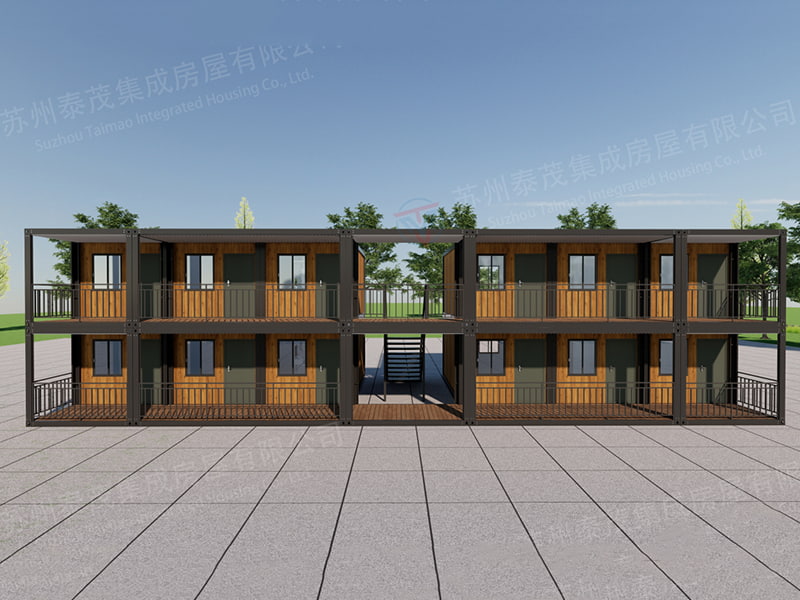
When used with portable housing, folding container houses, expandable container houses, or K-type prefabricated buildings, the restroom can help create a complete temporary living environment. The result is a modular approach in which accommodation, sanitation, and operational facilities can be installed according to project priorities.
Outdoor Events
Public events, festivals, sports activities, exhibitions, fairs, and private gatherings require facilities that can be delivered and removed efficiently. Site managers must consider user flow, privacy, cleanliness, safety, and the duration of the event.
The XL single-user design can be positioned in a dedicated restroom area and used alongside other temporary sanitation facilities. It may be particularly helpful where event organizers want to provide a more comfortable option for guests, staff, families, or users who need additional interior room.
Factory-Controlled Manufacturing and Integrated Construction Expertise
The product’s performance begins with the manufacturing process. A portable restroom may appear simple from the outside, but its durability, stability, mobility, and usability depend on the coordination of the structure, panels, openings, interior finishes, service connections, and optional equipment.
Suzhou Taimao Integrated Housing Co., Ltd. specializes in modular building solutions and prefabricated construction. Its manufacturing approach shifts a substantial portion of construction activity from uncontrolled jobsite conditions to a controlled factory environment. This approach supports repeatable production, organized quality checks, efficient material handling, and coordinated assembly.
Factory production is valuable for temporary facilities because these units must balance several competing needs. They need to be sufficiently robust for outdoor use, light and practical enough for transportation, stable when deployed, and adaptable to different project requirements. Factory coordination helps ensure that these factors are considered together rather than handled separately at the installation site.
Integrated Design Thinking
The company’s broader modular building system integrates structural elements, insulation, mechanical, electrical, and plumbing services, heating, ventilation, air-conditioning, interior finishes, and smart-home technologies into a unified solution where appropriate. Although the Single-Person XL Outdoor Portable Toilet is a specialized sanitation product, it benefits from the same integrated design philosophy.
Instead of viewing the restroom enclosure as an isolated shell, an integrated manufacturer can consider how the structure interacts with doors, washbasins, drainage, ventilation, lighting, water supply, waste management, and transportation requirements.
This approach is important when a buyer requests a customized configuration. Adding a washbasin, for example, is not only an interior decoration decision. It may require planning for water inlet routing, drainage, fixture placement, cleaning access, ventilation, and safe use of the available space.
Modular Component Coordination
Modular manufacturing relies on coordinated components. Wall panels, floor systems, roof sections, doors, frames, plumbing elements, and interior fixtures must fit together accurately. Consistent component coordination can simplify assembly and reduce the amount of adjustment required at the destination.
For a portable restroom, this can improve deployment efficiency. The buyer receives a unit that is designed as a complete product rather than a collection of unrelated materials that must be assembled from the beginning at the site.
Where project quantities are large, modular production can also help maintain consistency among units. This is useful for construction camps, emergency settlements, event facilities, and multi-unit accommodation projects.
Reduced On-Site Construction Work
One of the main strengths of prefabrication is the reduction of work required at the final location. Traditional construction may involve foundation preparation, masonry, roofing, plumbing installation, interior finishing, painting, fixture installation, and repeated coordination among different trades.
A factory-produced portable restroom completes much of this work before delivery. The site team can therefore focus on positioning, leveling, connections, access, and operational checks. This can shorten the time needed to make the facility available and reduce disruption to the surrounding project.
The company describes its modular building system as capable of completing module assembly in days or even hours, depending on the project. For a compact portable restroom, final deployment requirements will depend on the selected equipment and local conditions, but the same principle applies: more controlled factory completion can mean less complicated site work.
Materials, Durability, and Outdoor Readiness
Outdoor sanitation facilities must withstand repeated exposure to weather and frequent handling. They may be exposed to sunlight, rain, wind, humidity, dust, temperature changes, and accidental impact during transport or relocation.
The Single-Person XL Outdoor Portable Toilet is designed around a durable and stable enclosure suitable for outdoor deployment. Its structural planning must support regular use while maintaining the privacy and security expected from a restroom.
Durability is not limited to the outer walls. Doors, hinges, locks, floor surfaces, roof joints, service connections, and interior fixtures all affect long-term usability. A product intended for relocation must also be designed so that handling and transport do not unnecessarily compromise its structure.
Proper installation remains important. The unit should be placed on a suitable surface, positioned securely, and connected to water, drainage, power, or waste-management systems according to the selected configuration. Routine inspection and cleaning are also essential to preserve performance.
Because project conditions differ, buyers should communicate the intended climate, transport frequency, installation surface, expected number of users, and sanitation system requirements before production. This allows the manufacturer to recommend an appropriate configuration.
Customization and Project Configuration
Temporary facilities are rarely identical from one project to another. A campsite may need a compact washbasin, while an emergency site may require multiple hygiene points. A construction project may prioritize ruggedness and frequent relocation, while an event organizer may focus on visitor comfort and quick removal.
The XL portable toilet can be discussed with the manufacturer as a configurable product. Possible planning areas include the interior hygiene arrangement, site layout, number of units, service connections, transportation method, color or finish requirements, and integration with other portable facilities.
Interior Hygiene Options
A washbasin can make the restroom more complete for handwashing and basic personal hygiene. The position and size of the basin should be selected with attention to movement space, door clearance, cleaning access, water supply, and drainage.
For projects without a permanent water network, the hygiene system may need to be coordinated with a tank, pump, temporary pipework, or other site-specific arrangement. The manufacturer can evaluate the requested configuration and determine how the interior facilities should be integrated.
Quantity and Layout Planning
When multiple units are required, layout planning is as important as individual product selection. Units can be arranged near worker entrances, accommodation areas, event zones, medical stations, or other locations where users need convenient access.
The layout should consider pedestrian routes, service access, cleaning operations, privacy, drainage, lighting, and future relocation. A modular manufacturer with experience in larger temporary buildings can help buyers think beyond the individual restroom and plan a more efficient facility system.
Integration with Other Modular Products
The company’s product categories include assembled container houses, folding container houses, double-wing expandable container houses, K-type prefabricated houses, and steel structures. These products serve different purposes, but they can be combined in a temporary project.
For example, a construction camp may include folding container accommodation, an expandable container office, a steel-structure service building, and several XL portable toilets. A relief project may use prefabricated housing alongside dedicated sanitation facilities. An outdoor event may combine portable storage, staff rooms, and restroom units.
This broader product capability can simplify procurement. Instead of coordinating multiple suppliers for every temporary structure, a buyer may discuss a more unified solution with a manufacturer experienced in modular construction.
Operational Benefits for Project Managers
Project managers evaluate temporary facilities according to more than initial purchase price. They also consider delivery, installation, relocation, maintenance, user acceptance, service life, and the effect of the facility on the overall schedule.
The Single-Person XL Outdoor Portable Toilet can provide operational benefits in several areas. Its portable format allows the facility to follow the project as work zones change. Its quick-deployment concept reduces the delay before use. Its larger interior can improve user acceptance. Its optional hygiene equipment can reduce the need for separate sanitation arrangements.
The ability to relocate the unit is especially useful for projects with changing phases. A construction site may move from foundation work to structural assembly, then to finishing and landscaping. A temporary restroom can be repositioned to remain accessible without requiring a new permanent building at each stage.
For emergency operations, flexibility is equally important. The number of users, shelter locations, medical areas, and traffic routes may change quickly. Portable units can be reorganized as the response develops.
For events, rapid deployment and removal can help organizers meet tight schedules. The facility can arrive before the event, be placed in the planned service area, and be removed after the site returns to its normal use.
Hygiene, Cleaning, and Maintenance Considerations
A well-designed portable restroom still requires an appropriate cleaning and maintenance plan. The frequency of service depends on the number of users, operating hours, climate, sanitation system, and project duration.
Operators should establish regular inspection intervals for the door, lock, floor, ventilation, fixtures, washbasin, water connections, drainage, and waste system. Any sign of leakage, blockage, structural damage, or unstable positioning should be addressed promptly.
The optional washbasin should be cleaned and checked as part of the restroom service routine. Soap, water, paper products, and other hygiene supplies should be replenished according to demand. If the unit is connected to a temporary water or drainage system, those connections should also be inspected.
Cleaning products should be compatible with the selected interior surfaces and fixtures. Excessively abrasive materials may damage finishes, while unsuitable chemicals may affect seals, fittings, or plumbing components. A project-specific maintenance guide should be prepared before the unit enters service.
Good placement also supports hygiene. The unit should be located away from standing water and positioned where service vehicles or personnel can reach it. Adequate lighting, safe access, and appropriate separation from food preparation areas should be considered during layout planning.
Transportation and Deployment
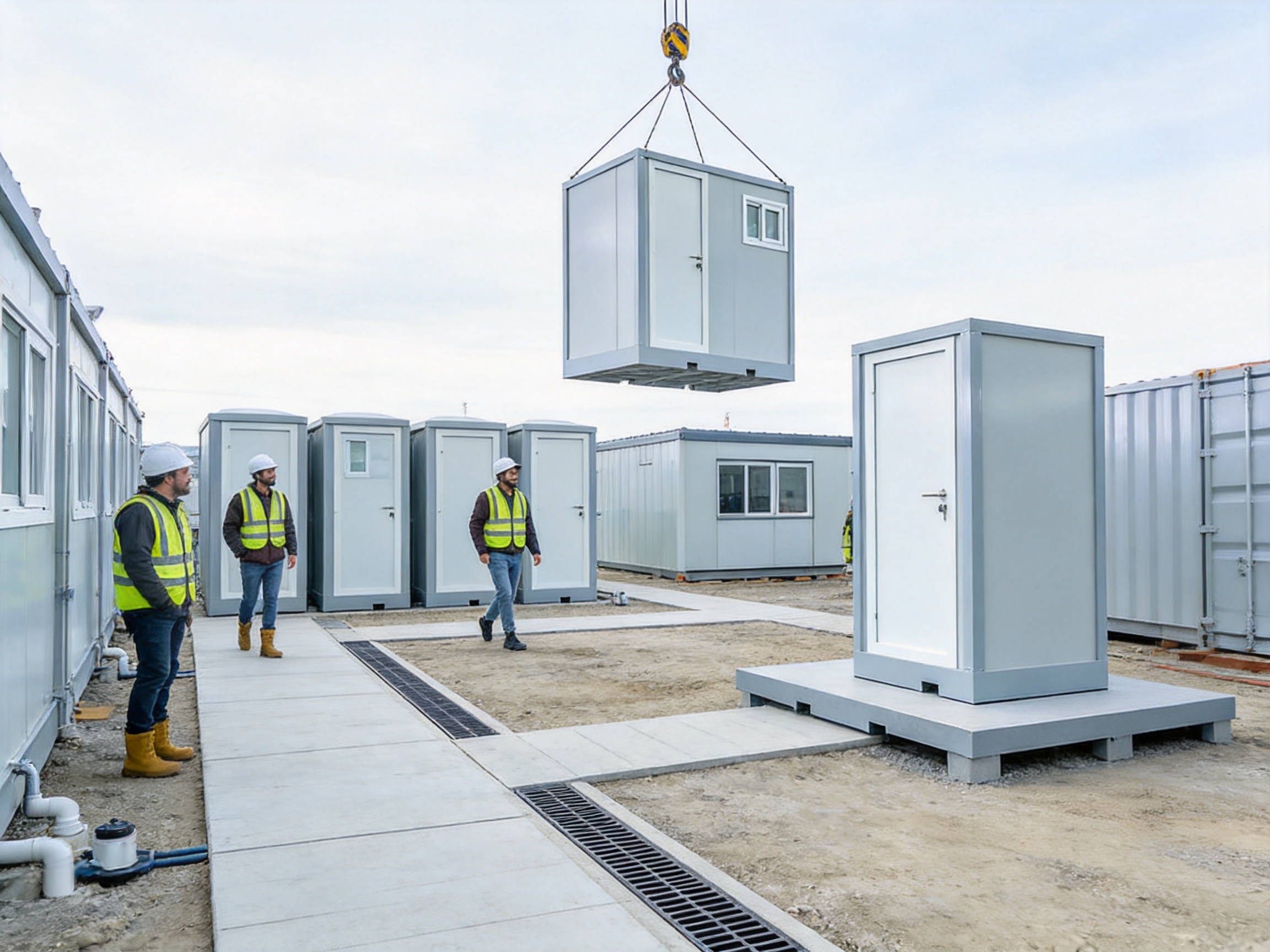
Portability is one of the product’s central advantages, but transportation should be planned carefully. The buyer should confirm the unit’s delivery dimensions, handling requirements, lifting points, access route, unloading equipment, and final placement surface with the supplier before shipment.
A suitable foundation or level platform helps maintain stability and door alignment. Depending on the location and local requirements, additional anchoring or protection may be needed in areas exposed to strong wind or severe weather.
After placement, the installation team should verify that the door operates correctly, the unit is stable, the interior is clean, and all requested utilities are properly connected. If a washbasin is included, the water supply and drainage should be tested before the facility is opened for use.
When relocation is required, the unit should be emptied, disconnected, secured, and handled according to the manufacturer’s instructions. Proper relocation procedures protect both the structure and the sanitation system.
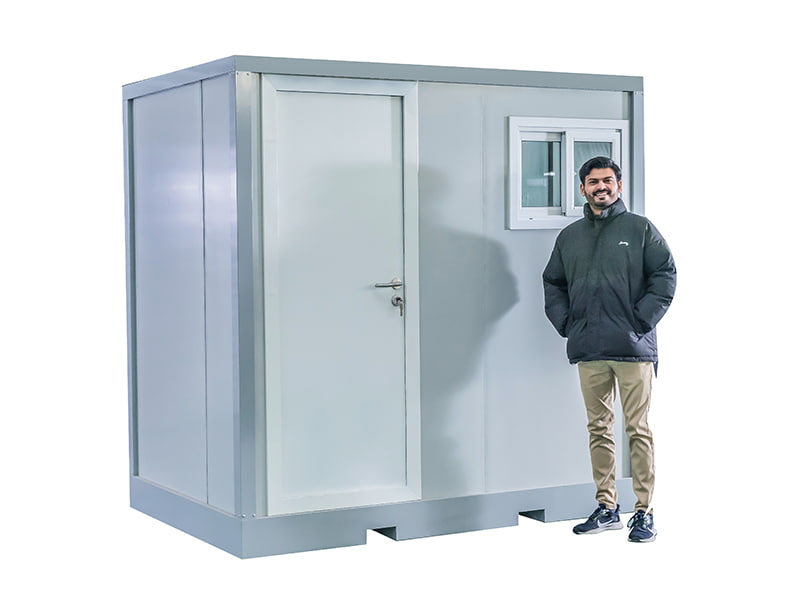
Single-Person XL Outdoor Portable Toilet
Why Choose an Experienced Modular Manufacturer
Purchasing a portable restroom from an experienced modular-building manufacturer offers advantages beyond the product itself. The supplier can consider the unit as part of a wider construction and facilities strategy.
Suzhou Taimao Integrated Housing Co., Ltd. combines modular design capability, manufacturing technologies, and digital software support to develop prefabricated building solutions. Its mission is centered on accelerating project timelines, improving operational efficiency, reducing ecological impact, and maintaining quality and safety standards.
This experience is relevant to portable sanitation because the same disciplines are required: accurate design, material coordination, service integration, factory production, logistics planning, and efficient site assembly.
A specialist manufacturer can also help buyers identify issues that may not be obvious at the beginning of a project. These may include the correct location for a washbasin, the need for additional ventilation, the most efficient service access route, suitable transport arrangements, or the best way to combine sanitation units with temporary accommodation.
Design and Engineering Support
Every site has different conditions. Terrain, climate, regulations, access, user numbers, duration, and available utilities all affect the appropriate configuration. A manufacturer with modular design experience can evaluate these factors before production.
Engineering support may cover the enclosure, structural stability, interior layout, utility connections, modular coordination, and deployment process. This preliminary planning can reduce changes after delivery and help the buyer establish a realistic installation schedule.
Factory Quality Management
Factory production creates a more controlled environment than open-site construction. Materials can be received, stored, cut, assembled, finished, and inspected in an organized sequence. Repetitive components can be produced using standardized procedures, while customized features can be incorporated during planned production stages.
For a portable restroom, quality attention should include frame alignment, panel connection, floor performance, roof protection, door operation, fixture installation, surface finishing, and utility connection points. The goal is to deliver a complete and practical unit rather than leave essential work to uncertain site conditions.
End-to-End Project Coordination
Large temporary projects often involve more than one product category. A supplier capable of supporting portable houses, container buildings, steel structures, and sanitation units can coordinate different elements more efficiently.
This may simplify communication about delivery timing, site access, installation order, service routes, and project milestones. It can also reduce the risk that one component arrives before the area is ready or that different products require incompatible layouts.
Environmental and Resource Considerations
Temporary construction can create unnecessary waste when structures are built quickly, used briefly, and demolished after a project. Modular and portable systems offer an alternative by allowing units to be relocated, reused, adapted, or integrated into future projects.
The Single-Person XL Outdoor Portable Toilet is designed for flexible use rather than a single fixed location. Relocation can extend the practical service value of the unit and reduce the need to construct a new restroom for every temporary site.
Factory production may also help control material use and reduce unnecessary on-site waste. Components can be planned and processed in a more organized environment, while many construction activities are completed before delivery. The company’s stated focus on minimizing ecological impact supports this broader modular approach.
Environmental performance also depends on responsible operation. Appropriate waste handling, water management, cleaning practices, maintenance, and eventual refurbishment or recycling should be included in the project plan.
Buyers seeking a lower-impact temporary facility should ask about material selection, service life, repairability, reuse options, transport efficiency, and end-of-project handling. These questions help evaluate the complete life cycle rather than focusing only on the initial installation.
How to Select the Right Configuration
Before ordering, buyers should prepare a clear project brief. The brief should explain where the restroom will be used, how many people it will serve, how long it will remain in operation, how often it may be moved, and whether a washbasin or hygiene station is needed.
The climate and site environment should also be considered. A coastal location, a cold region, a hot and sunny area, and a dusty construction zone may require different planning priorities. Transport routes and unloading conditions should be reviewed at the same time.
Utility availability is another key factor. The project team should determine whether the unit will connect to a permanent water supply, a temporary tank, a drainage network, a holding tank, or another sanitation arrangement. Electrical requirements should be clarified if lighting, ventilation, heating, or other equipment is included.
Accessibility and user requirements should be discussed early. The XL design provides more interior room, but the final layout must still be evaluated for the intended users and applicable local standards. Door width, approach space, flooring, lighting, and hygiene equipment should be planned as part of the complete installation.
| Planning Question | Why It Matters |
|---|---|
| Where will the unit be installed? | Determines access, foundation, drainage, privacy, and weather exposure. |
| How many users are expected? | Helps determine the number of units and service frequency. |
| How long will the unit be used? | Influences durability, maintenance, hygiene equipment, and site planning. |
| Will it be moved? | Determines handling, transport, service disconnection, and relocation requirements. |
| Is a washbasin needed? | Allows the manufacturer to plan water supply, drainage, space, and fixtures. |
| What utilities are available? | Supports selection of the appropriate water, waste, electrical, and ventilation systems. |
| What other buildings are nearby? | Helps coordinate the restroom with accommodation, offices, camps, and service areas. |
Providing this information before production helps the supplier recommend a practical and cost-effective solution instead of making assumptions that may cause changes later.
Installation Workflow
A typical deployment begins with project confirmation and configuration review. The buyer and manufacturer identify the required interior arrangement, quantity, delivery method, and utility connections.
The unit is then produced and inspected in the factory. Depending on the order, the production process may include structural assembly, wall and roof installation, interior finishing, door fitting, plumbing preparation, washbasin installation, and other requested features.
After delivery, the site team prepares the placement area. The surface should be suitable for the unit, sufficiently level, and capable of supporting stable use. The unit is positioned, checked, and connected to the planned water, drainage, waste, and electrical systems.
A final operational inspection should confirm that the structure is stable, the door and lock function correctly, the interior is clean, fixtures operate properly, and the sanitation system is ready. The facility can then be placed into service under the project’s cleaning and maintenance schedule.
This workflow is generally faster and more predictable than constructing a permanent restroom from raw materials at the site. It also reduces the number of separate trades required during final deployment.
Performance in Different Project Scenarios
Short-Term Event Scenario
For a weekend event, the main priorities may be rapid delivery, comfortable use, convenient placement, and quick removal. The XL restroom can be installed in a designated area and operated as a premium or spacious individual facility. If handwashing is required, the washbasin option can be included in the event plan.
Long-Term Construction Scenario
For a construction project lasting several months, the facility may need to withstand repeated daily use and periodic relocation. A durable structure, larger compartment, and integrated hygiene option can make it more appropriate than a minimal short-term unit.
The project manager can move the restroom as the site develops, while coordinating it with portable offices, worker accommodation, storage facilities, and other modular buildings.
Emergency Deployment Scenario
For emergency relief, speed, privacy, and flexibility are critical. The unit can be delivered to a temporary shelter area or operational base and configured to support individual sanitation. Multiple units can be positioned according to population distribution and service access.
As the emergency site changes, the portable format allows the units to be reorganized or transferred to another location. The optional hygiene setup can contribute to a more complete sanitation response.
Remote Worksite Scenario
At a remote mining, energy, infrastructure, agricultural, or environmental worksite, permanent facilities may be expensive or impossible to construct. The XL portable toilet can provide a dedicated private restroom that supports workers during the active project period.
When combined with temporary housing or modular site offices, it can form part of a practical remote-work infrastructure package.
Product Advantages at a Glance
The Single-Person XL Outdoor Portable Toilet offers a balanced solution for buyers who want more comfort than a compact unit can provide without losing portability.
Its spacious single-user interior improves movement and reduces the confined feeling associated with many standard portable restrooms.
Its private configuration supports personal dignity and makes it suitable for workplaces, events, temporary housing, camps, and emergency locations.
Its optional washbasin or hygiene setup provides additional sanitation functionality within the same enclosure.
Its durable and stable construction is intended for outdoor use and frequent relocation.
Its quick-deployment concept helps project teams place the restroom into service with less on-site construction.
Its modular manufacturing background supports customization and integration with broader temporary-building projects.
Its factory-controlled production approach can improve consistency, reduce site labor, and simplify installation planning.
Frequently Asked Questions
What is the Single-Person XL Outdoor Portable Toilet?
It is a spacious, private, mobile restroom designed for one user at a time. It is intended for outdoor sites, construction projects, camping areas, emergency relief, temporary accommodation, and other locations where a permanent restroom is unavailable or unsuitable.
How is it different from a standard portable toilet?
The main difference is the larger interior space. The XL design provides more room for movement and comfort while maintaining a private single-user layout. It can also be equipped with a washbasin or personal hygiene facilities, depending on the project requirements.
Can a washbasin be installed inside?
Yes. The unit can be configured with a washbasin or hygiene setup. The final arrangement should be confirmed with the manufacturer because water supply, drainage, interior space, and cleaning access must be planned together.
Is the unit suitable for construction sites?
Yes. Its portable and durable design makes it suitable for construction sites, especially where work zones change or permanent facilities are not yet available. The larger interior is also practical for users wearing work clothing or protective equipment.
Can it be used for emergency relief?
Yes. It can provide private sanitation at temporary shelters, relief stations, remote medical areas, distribution centers, and other emergency locations. Its relocation flexibility allows it to adapt as the response area changes.
Is it appropriate for long-term temporary use?
It is suitable for repeated or extended temporary use when supported by an appropriate cleaning, maintenance, waste-management, and utility plan. The XL space and optional hygiene facilities can make it more comfortable for longer projects than a minimal compact unit.
Can the restroom be relocated after installation?
Yes. Relocation is one of its intended advantages. Before moving the unit, operators should follow suitable procedures for emptying, disconnecting utilities, securing the structure, and using appropriate handling equipment.
Does it require permanent plumbing?
Not necessarily. The required water, drainage, and waste-management arrangement depends on the selected configuration and site conditions. The unit may be planned for connection to available services or a temporary sanitation system.
What type of surface is needed?
The unit should be placed on a stable, suitable, and sufficiently level surface. The exact foundation or platform requirements depend on local conditions, weather exposure, the selected configuration, and applicable project standards.
Can it be ordered in multiple units?
Yes. Multiple units can be planned for construction camps, emergency settlements, outdoor events, temporary accommodation areas, and other projects. Layout, service access, privacy, and cleaning routes should be considered when deploying several units.
Can the product be integrated with other temporary buildings?
Yes. It can be used alongside assembled container houses, folding container houses, double-wing expandable container houses, K-type prefabricated houses, steel structures, site offices, and other modular facilities.
Who manufactures the product?
The product is manufactured by Suzhou Taimao Integrated Housing Co., Ltd., a Chinese modular-building manufacturer specializing in prefabricated construction solutions, portable houses, container buildings, and integrated modular systems.
What information should be provided when requesting a quotation?
Buyers should provide the intended application, quantity, installation location, expected duration, number of users, relocation frequency, desired washbasin or hygiene features, available utilities, delivery requirements, and any project-specific design preferences.
Procurement Guidance for International Buyers
International buyers should begin with a clear technical and commercial specification. Product selection should consider not only the unit itself but also shipping dimensions, unloading equipment, local installation requirements, utility connections, maintenance responsibilities, and applicable regulations.
The buyer should request confirmation of the final configuration before production. This may include the interior layout, sanitation system, washbasin arrangement, door and lock details, structural finish, ventilation, lighting, and connection points.
Shipping and handling should be reviewed in advance. The delivery route must accommodate the product, and the receiving site should have the necessary equipment for unloading and positioning. If the restroom will be transported repeatedly, the buyer should also discuss handling procedures and protective measures.
Documentation is important for larger projects. Buyers may request product drawings, installation instructions, cleaning guidance, utility requirements, packing information, inspection records, and maintenance recommendations appropriate to the final order.
Communication with the manufacturer should continue from initial design through delivery and commissioning. This is particularly valuable when the unit is part of a larger modular project involving multiple building types and coordinated schedules.
About the Manufacturing Company
Suzhou Taimao Integrated Housing Co., Ltd. is based in Suzhou, Jiangsu, China, and specializes in integrated modular housing and prefabricated construction solutions. Its product scope includes container houses, folding container houses, expandable container houses, portable restrooms, K-type prefabricated houses, and steel structures.
The company presents itself as a provider of globally oriented modular building solutions, combining modular design, manufacturing technologies, and digital software support. Its approach is intended to accelerate project completion, improve operational efficiency, reduce ecological impact, and maintain high standards of quality and safety.
Its flagship Structural Insulated Panel modular system brings together structure, insulation, mechanical, electrical, plumbing, heating, ventilation, air-conditioning, interior finishes, and smart-home technologies into a unified building solution where required. This factory-based integration reduces the amount of finishing work carried out at the project site.
That capability supports the production of specialized units such as the Single-Person XL Outdoor Portable Toilet. Buyers benefit from a supplier that understands not only individual products but also the broader principles of modular planning, factory assembly, transportation, rapid deployment, and temporary infrastructure management.
For product inquiries and project discussions, the company can be contacted through its international sales channels. Buyers should provide detailed project information so the manufacturer can recommend the appropriate product configuration and support requirements.
Conclusion
The Single-Person XL Outdoor Portable Toilet is designed for users and project managers who need more than a minimal temporary restroom. Its larger interior improves comfort and movement, while its private single-user layout supports dignity and convenience. The option to add a washbasin or personal hygiene setup expands its function from a basic toilet enclosure to a more complete mobile sanitation station.
Its applications extend across construction sites, outdoor recreation, emergency relief, temporary accommodation, remote worksites, and public events. The portable structure allows flexible placement and relocation, while the quick-deployment format helps reduce on-site construction time.
The product’s strongest competitive advantage is the combination of XL space, adaptable hygiene features, outdoor durability, mobility, and modular manufacturing expertise. Produced by a company focused on integrated prefabricated construction, it can also be considered as part of a wider temporary-facility solution that includes container houses, portable offices, accommodation units, and steel structures.
For buyers planning a temporary sanitation project, the right solution depends on the intended use, user volume, climate, service connections, relocation needs, project duration, and local requirements. With these factors defined in advance, the Single-Person XL Outdoor Portable Toilet can provide a practical, comfortable, and flexible sanitation facility for demanding outdoor environments.
References
1. Product information supplied for the Single-Person XL Outdoor Portable Toilet, including product features, applications, and optional interior facilities.
2. Company information supplied by Suzhou Taimao Integrated Housing Co., Ltd. regarding modular design, factory manufacturing, integrated building systems, and digital construction support.
3. General principles of prefabricated and modular construction, including factory-controlled production, component coordination, transportation, and rapid on-site assembly.
4. General occupational and public-health considerations for temporary sanitation facilities, including privacy, hand hygiene, cleaning, maintenance, access, and waste management.
Product: Single-Person XL Outdoor Portable Toilet

For exclusive deals and latest offers, sign up by entering your email address below.

-
TEL:+86 18762912902
-
Email:cntaimao@163.com
-
WhatsApp:
-
Add:Group 5, Cao Village, Zhenze Town, Suzhou, Jiangsu, China
Copyright © Suzhou Taimao Integrated Housing Co., Ltd.
All Rights Reserved.
 Wholesale movable homes for sale
custom built modular homes
Wholesale movable homes for sale
custom built modular homes