

 EN
EN
 русский
 Español
 عربى
عربى Français
Single-Person XL Outdoor Portable Toilet: A Spacious, Flexible Solution for Modern Sanitation Needs
Admin 2026-09-07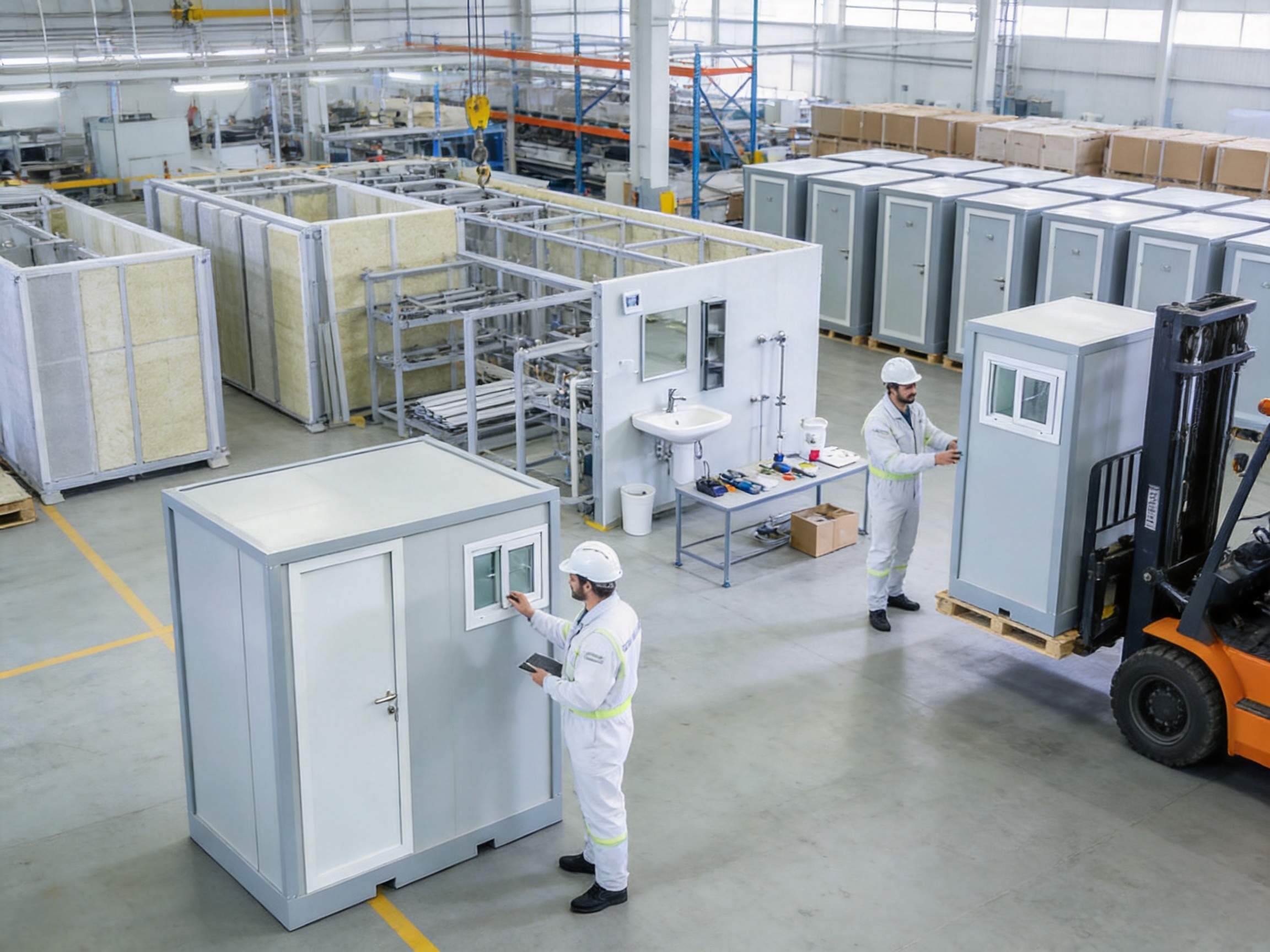
Outdoor sanitation is often treated as a basic requirement, but the quality of a restroom can have a direct effect on comfort, hygiene, privacy, safety, and the overall success of a project. At construction sites, outdoor events, emergency response locations, campsites, remote work areas, and temporary accommodation projects, users need more than a small enclosed unit. They need a restroom that is easy to deploy, stable in changing conditions, simple to relocate, and comfortable enough for regular use.
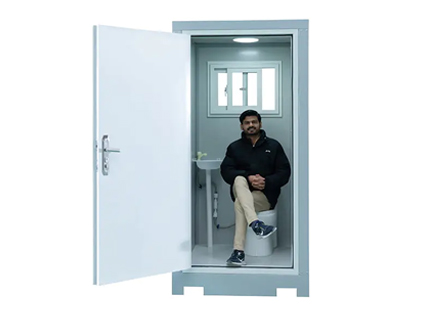
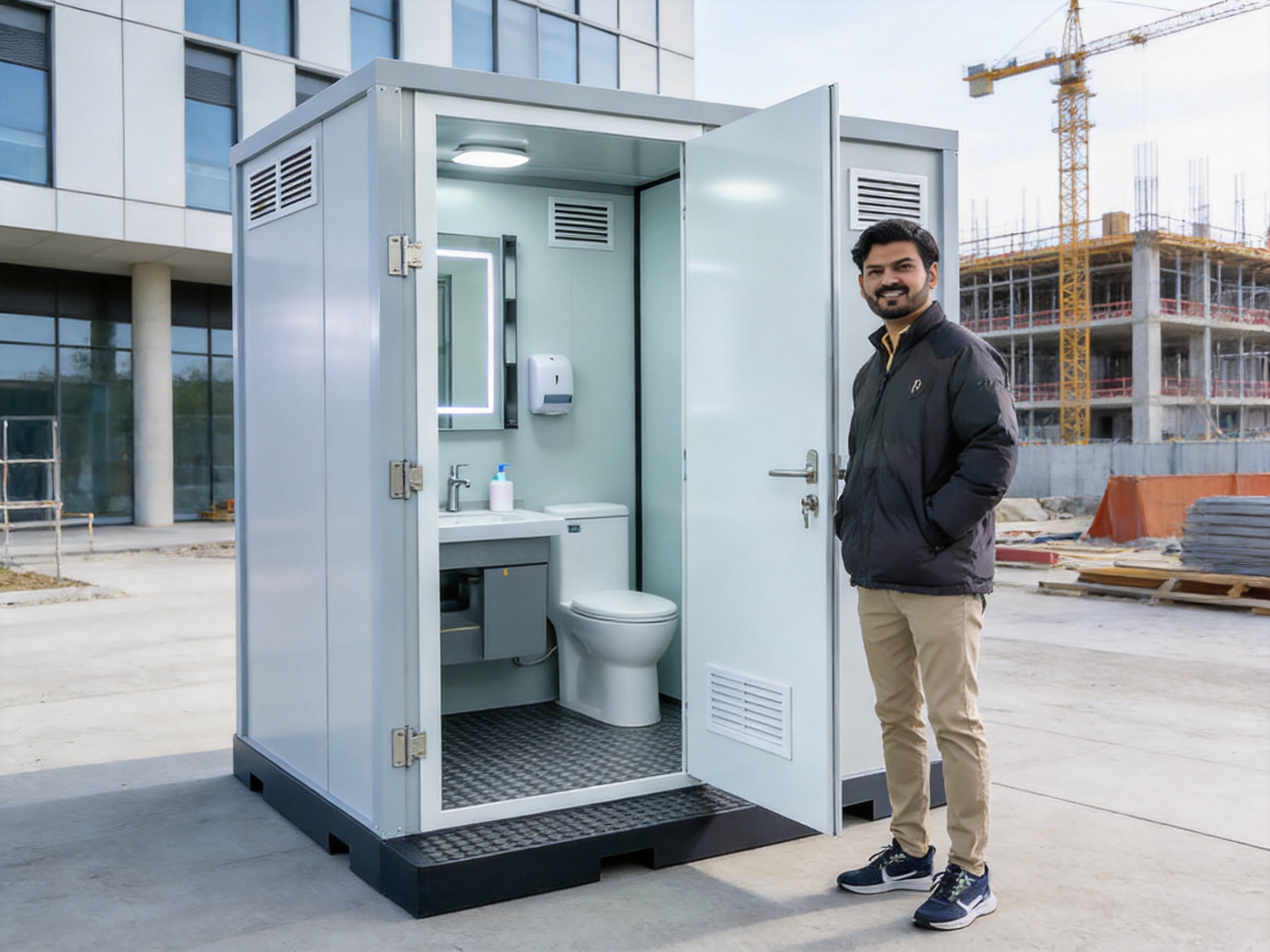
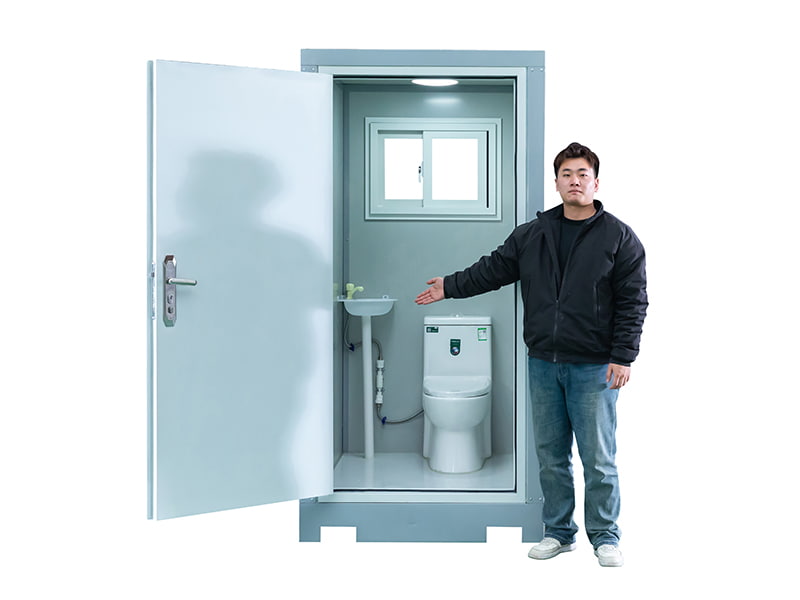
The Single-Person XL Outdoor Portable Toilet is designed to meet these needs through a larger private interior, a durable mobile structure, and optional hygiene facilities. Instead of following the narrow dimensions and limited function of many standard portable toilets, this unit gives one user a more comfortable personal space. The additional room allows easier movement, improved usability, and the possibility of installing a washbasin or other personal sanitation equipment inside the same enclosure.
This approach makes the product suitable for customers who want a practical restroom without sacrificing dignity or convenience. It can support short-term deployment, long-term temporary facilities, emergency sanitation programs, construction operations, outdoor hospitality, and a wide range of public or private projects. Its adaptable design also allows project planners to consider different internal configurations according to the needs of the location.
Content
- 1 Understanding the Single-Person XL Outdoor Portable Toilet
- 2 Why Spaciousness Matters in a Portable Restroom
- 3 Key Product Advantages
- 4 Advantages Over Conventional Portable Restrooms
- 5 Applications Across Multiple Industries
- 6 Design Considerations for Comfort and Usability
- 7 Manufacturing Strengths Behind the Product
- 8 Sustainability and Resource Efficiency
- 9 Deployment and Site Preparation
- 10 Maintenance and Hygiene Management
- 11 Customization and Project Planning
- 12 How the Product Supports Professional Site Management
- 13 Purchasing Considerations
- 14 Why Choose an Integrated Modular Manufacturer
- 15 Frequently Asked Questions
- 15.1 What is the main difference between this product and a standard portable toilet?
- 15.2 Can the unit include a washbasin?
- 15.3 Where can the Single-Person XL Outdoor Portable Toilet be used?
- 15.4 Is the product suitable for long-term temporary use?
- 15.5 Does the unit require a permanent foundation?
- 15.6 How quickly can the restroom be put into service?
- 15.7 Can the restroom be relocated after installation?
- 15.8 Is the unit suitable for emergency response?
- 15.9 Can the product be customized?
- 15.10 What should be considered when adding a washbasin?
- 15.11 How should the unit be maintained?
- 15.12 Why is factory manufacturing important for a portable restroom?
- 15.13 What makes an integrated modular manufacturer valuable?
- 15.14 Can the product be used in cold or wet climates?
- 15.15 Is this product a replacement for a permanent restroom?
- 16 Conclusion
- 17 References
- 18 Product: Single-Person XL Outdoor Portable Toilet
Understanding the Single-Person XL Outdoor Portable Toilet
The Single-Person XL Outdoor Portable Toilet is a mobile restroom unit intended for one user at a time. Its main distinction is the XL interior. While many conventional portable toilets prioritize the smallest possible footprint, this model gives greater attention to personal space and comfort. The user can enter, close the door, and use the facility without experiencing the severe feeling of confinement associated with compact restroom cabins.
The larger compartment can be valuable for users of different ages and physical abilities. It also provides more room for changing clothes, assisting a child, managing personal hygiene, or using the restroom while carrying essential equipment. Where a standard cabin may be suitable only for a quick visit, the XL configuration offers a more practical experience for sites where people may depend on the unit throughout the day.
The unit can also be equipped with a washbasin or a personal hygiene arrangement. This optional capability changes the role of the product from a simple toilet enclosure into a compact sanitation station. Depending on the project specification, the interior may be planned to accommodate handwashing, cleaning, or other hygiene-related functions. This flexibility is particularly useful in locations where separate toilet and washing units would require additional transportation, installation space, or operating cost.
Its portable nature allows the unit to be delivered to a site, installed with limited preparation, and moved when project conditions change. This is important for construction companies, event organizers, relief agencies, military or field operations, and remote-site managers. A facility that can move with the project can reduce the need to purchase or construct permanent infrastructure for a temporary need.
Why Spaciousness Matters in a Portable Restroom
Interior space is one of the most noticeable differences between a basic portable toilet and an XL single-person model. In a confined cabin, a user may have little room to turn, position personal belongings, or use the facility comfortably. The result can be an unpleasant experience, especially when the unit is used repeatedly by workers, visitors, campers, or families.
The XL layout addresses this problem by providing a more generous private compartment. The additional space supports easier entry and exit, more natural body movement, and improved access to optional fixtures. It also helps the unit feel less temporary and more like a planned facility. For projects that need to maintain a professional standard, this difference can influence user satisfaction and the perception of the entire site.
Greater interior space can also support better practical organization. A washbasin, soap dispenser, mirror, small storage feature, or hygiene accessory can be incorporated more easily when the design is not restricted to the smallest possible footprint. The internal arrangement can be considered during the specification stage so that the facility matches the intended use rather than forcing users to adapt to an unsuitable layout.
Privacy is another important benefit. A single-user enclosure provides a dedicated personal environment instead of a divided cabin with two closely positioned compartments. This can be helpful in locations where privacy expectations are high, including temporary accommodation areas, family-oriented campsites, outdoor hospitality projects, and emergency relief shelters.
The larger space may also be valuable for users who require assistance. A caregiver, parent, or support person may need to enter the compartment in certain situations. Although the exact accessibility performance depends on the final configuration, site preparation, door dimensions, and local requirements, the XL concept gives planners more design potential than a highly compact standard unit.
Key Product Advantages
Enhanced Personal Privacy
The single-person configuration is designed around private use. One user occupies the compartment at a time, which reduces the sense of crowding and supports a more dignified restroom experience. This is especially important in workplaces, public events, relief environments, and temporary living areas where users may have limited access to alternative facilities.
More Comfortable Movement
The XL interior gives users more room to enter, turn, sit, stand, and organize personal items. This makes the unit more comfortable for routine use and more adaptable to different users. A larger cabin can also reduce accidental contact with interior surfaces, which may contribute to a cleaner and more pleasant experience.
Optional Washing and Hygiene Facilities
The unit can be fitted with a washbasin or personal hygiene setup. This optional feature supports handwashing and basic sanitation within the same private space. Combining functions in one unit may reduce the need for separate washing stations and can simplify the planning of remote or temporary sites.
Suitable for Frequent Relocation
The structure is intended for portability and repeated deployment. It can be used where facilities must follow a project from one area to another, such as a construction project that progresses across a large site. It can also support seasonal use, emergency operations, and temporary events where fixed construction would be excessive.
Weather-Resistant Outdoor Construction
Outdoor restroom equipment must cope with changing weather, regular handling, and exposure to dust or moisture. The product is designed as a robust, weather-resistant structure suitable for outdoor deployment. The final installation should still consider drainage, anchoring, ventilation, local climate, and routine maintenance, but the basic enclosure is intended for practical outdoor service.
Quick Deployment
The unit can be placed into service soon after setup. This makes it useful when a project needs sanitary facilities without a long construction schedule. Rapid deployment is especially important for emergency response, temporary work zones, festivals, camps, and projects that must begin operations quickly.
Flexible Application
The same basic unit can serve different purposes depending on the internal specification and site conditions. It may function as a portable toilet, a restroom with a washbasin, a personal sanitation station, or a temporary hygiene facility. This versatility enables one product concept to serve multiple sectors.
| Feature | Single-Person XL Outdoor Portable Toilet | Typical Compact Portable Toilet | Potential Project Benefit |
|---|---|---|---|
| Interior space | Expanded single-user compartment | Limited compact cabin | Improved comfort and easier movement |
| Privacy | Dedicated private enclosure | Usually designed for brief individual use | More dignified experience for workers and visitors |
| Hygiene options | Can accommodate a washbasin or personal hygiene setup | Often limited to basic toilet functions | More complete sanitation in one unit |
| Mobility | Designed for relocation and temporary deployment | Portable, but configuration may be less adaptable | Useful for changing work zones and seasonal sites |
| Use scenarios | Construction, camping, relief, events, temporary accommodation | Short-duration public or event use | Broader application range |
| Planning flexibility | More room for optional fixtures and internal planning | Less room for additional equipment | Better adaptation to project requirements |
Advantages Over Conventional Portable Restrooms
Conventional portable toilets remain useful when the primary objective is to provide the highest number of basic facilities in the smallest area. However, minimum size is not always the best measure of value. In many projects, users must rely on a restroom for extended periods, and the facility must serve a workforce, community, or group of visitors rather than simply provide emergency access.
The XL model offers an alternative based on user experience. Its larger compartment provides more comfort than a narrow standard cabin, which can make a meaningful difference when the restroom is used throughout a working day. Workers at construction sites, outdoor maintenance teams, and field crews may visit the unit several times during a shift. A more comfortable facility can contribute to better morale and a more organized workplace.
Another advantage is its capacity for optional hygiene functions. A conventional portable toilet may require a separate handwashing station. That arrangement can work, but it also creates additional considerations, including extra transportation, positioning, water supply, drainage, cleaning, and winterization. A unit that can include a washbasin or personal hygiene area may provide a more integrated solution, subject to the selected specification and local service requirements.
The XL unit can also reduce the feeling that temporary infrastructure must be uncomfortable. Temporary does not have to mean inadequate. A project may be temporary because of its schedule, location, or purpose, while still requiring dependable and respectful facilities. The product supports a more considered approach in which portability and comfort are treated as complementary goals.
Compared with building a permanent restroom, the portable unit can offer a shorter installation process and greater flexibility. Permanent construction may require foundations, utility connections, permits, lengthy scheduling, and significant labor. A mobile restroom is not a replacement for every permanent facility, but it can be a practical solution where the need is temporary, remote, or subject to change.
Compared with improvised sanitation arrangements, a purpose-designed unit provides a more consistent enclosure, better organization, and a clearer maintenance plan. It can help project managers standardize facilities across multiple locations rather than relying on temporary tents, makeshift partitions, or unrelated equipment.
Applications Across Multiple Industries
Construction Sites
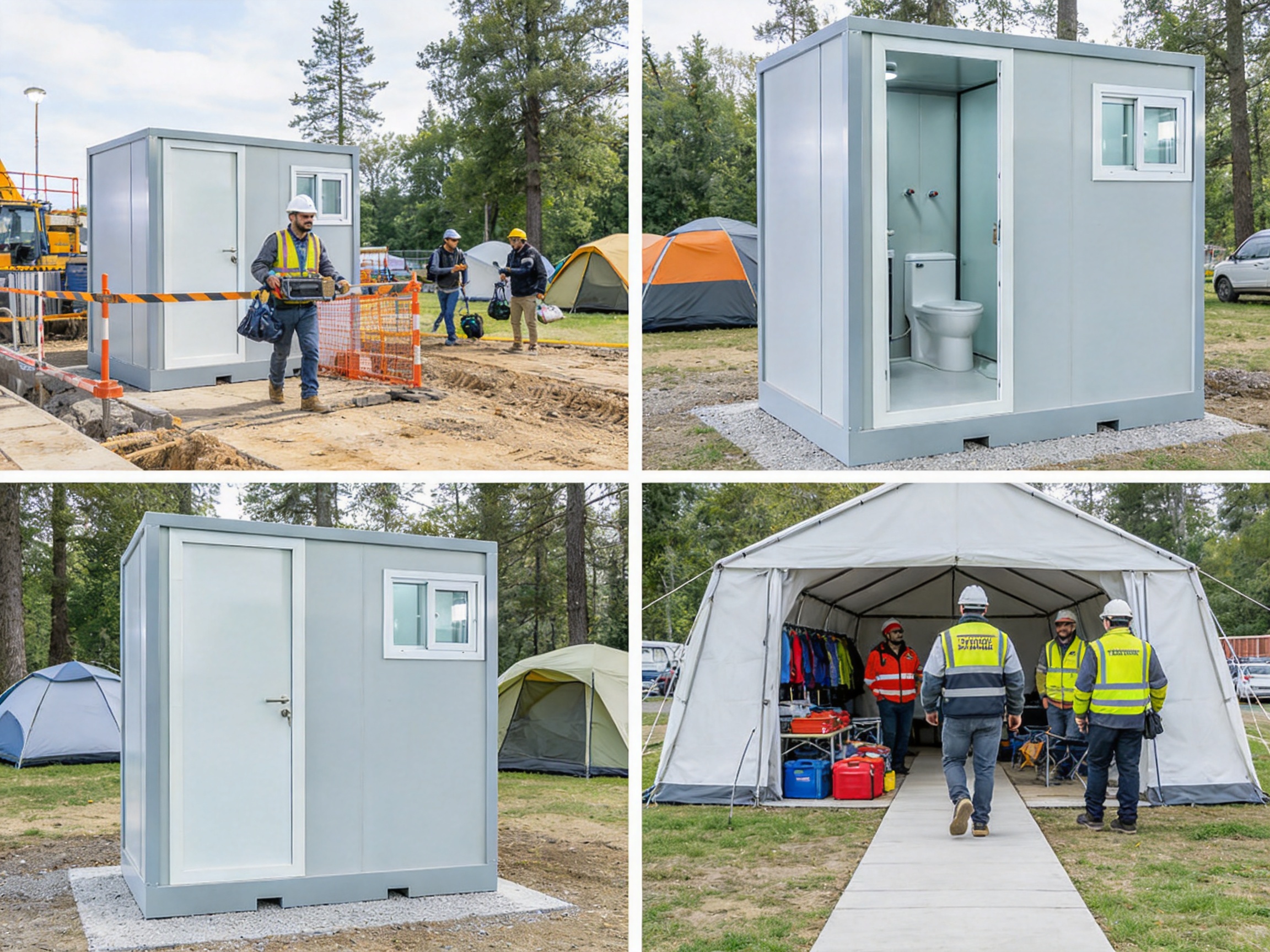
Construction sites often change rapidly. Work areas may move as foundations, structures, roads, utilities, and landscaping progress. A fixed restroom can be inconvenient if it is no longer close to the active work zone. The Single-Person XL Outdoor Portable Toilet can be deployed near the area where workers need it and relocated as the site develops.
The larger interior is useful for workers who need a more comfortable facility during long shifts. It can also be specified with a washbasin or hygiene arrangement, helping support handwashing and basic cleanliness. Project managers may use one unit for a small crew or plan several units across a larger project according to workforce size and local regulations.
The unit can support construction sites during different phases, including early groundwork, remote infrastructure work, renovation, road building, utility installation, and final finishing. It can remain useful even when permanent facilities are not yet connected or when the project is located far from existing buildings.
Camping and Outdoor Recreation
Camping areas and outdoor recreation sites need sanitation facilities that are easy to locate, maintain, and adapt to seasonal demand. The XL unit can provide a more comfortable alternative to small basic cabins, particularly at campsites that seek to offer a higher standard of convenience.
Its private single-user layout can be suitable for family camps, group camping, glamping operations, hunting areas, fishing locations, outdoor education programs, and temporary recreational facilities. Optional washing equipment may support users who need a place to clean their hands or complete basic personal hygiene after outdoor activities.
Because the unit can be relocated, operators may adjust the facility layout according to occupancy, special events, weather conditions, or changes in site use. This flexibility can be valuable for seasonal businesses that expand during holidays and reduce capacity during quieter periods.
Emergency Relief and Disaster Response
After a natural disaster or other emergency, sanitation can become an urgent public health concern. Communities may lose access to normal restrooms because of flooding, earthquakes, storms, infrastructure damage, or displacement. A portable unit can be delivered to shelters, distribution points, temporary medical areas, and field operations.
The XL design provides more privacy and personal space than an extremely compact facility. This can matter in emergency environments where people may already be experiencing stress and uncertainty. A unit that includes optional hygiene features can also support handwashing and personal sanitation where permanent services are unavailable.
Emergency agencies can use portable units as part of a broader sanitation plan. Placement, waste management, water supply, cleaning frequency, accessibility, lighting, and safe pathways should all be addressed. The product provides the physical enclosure, while effective emergency operation depends on proper planning and local coordination.
Outdoor Events and Temporary Venues
Concerts, festivals, fairs, sporting activities, exhibitions, and community gatherings often create a temporary demand for restroom capacity. Organizers must provide facilities that can be installed before the event, maintained during operation, and removed afterward. The XL unit can serve as a comfortable private option for event visitors, staff, vendors, and performers.
Because it is a single-person unit, event planners can distribute facilities across a venue instead of concentrating all restrooms in one area. The units may be positioned near entrance zones, food service areas, backstage locations, parking areas, or activity zones, depending on crowd management and local requirements.
A larger cabin can be especially useful for family-oriented events and situations in which visitors need more room than a standard portable toilet provides. Optional washing functions may also help support better hygiene near food, recreation, or children’s activity areas.
Temporary Accommodation and Remote Facilities
Temporary housing, worker accommodation, research stations, agricultural operations, and remote service sites may need individual sanitation facilities before permanent buildings are completed. The XL toilet can provide a practical interim solution during planning, construction, or expansion.
Its private interior and optional washbasin arrangement make it more suitable for repeated daily use than a basic emergency unit. It can be placed near modular buildings, temporary dormitories, work camps, or small accommodation clusters. When the project changes, the unit can be moved or reassigned rather than abandoned.
Public Works and Infrastructure Projects
Road, bridge, rail, energy, and utility projects frequently cover large geographic areas. Workers may operate far from existing buildings, and the active work zone may shift over time. Portable sanitation facilities can be distributed along the project route and relocated as construction advances.
The XL unit offers a practical way to provide a consistent restroom standard across different work sections. A project owner may select the same unit for multiple teams, simplifying procurement, deployment, and maintenance. Its weather-resistant structure supports outdoor use when combined with appropriate site management.
Design Considerations for Comfort and Usability
A portable restroom is successful when users can enter, use, and leave it safely and comfortably. The larger internal space is central to this product, but other design details also influence performance. These include the door arrangement, ventilation, lighting, flooring, drainage, fixture placement, and the relationship between the unit and the surrounding site.
Ventilation helps control heat, odor, and humidity. In a temporary outdoor facility, natural ventilation may be supplemented by additional systems depending on the specification and climate. Adequate airflow can improve comfort, but it should be planned without reducing privacy or allowing rain to enter the enclosure.
Lighting is important for evening use and for sites where the unit is positioned away from permanent buildings. Lighting can be supplied through site infrastructure or specified as part of the installation plan. A well-lit path and visible entrance can also contribute to safety and user confidence.
The floor should be stable and easy to clean. The site beneath the unit should be reasonably level, and water should be directed away from the entrance. Where the unit is placed on soft ground, uneven terrain, or a temporary platform, the installation team should verify stability before use.
Fixture placement should reflect the intended function. If the unit includes only a toilet, the available space can be organized around straightforward access. If a washbasin is added, the layout should provide enough clearance for entry, use, cleaning, and maintenance. Optional accessories should not obstruct the door or create avoidable contact points.
These details demonstrate why a portable restroom should be treated as a small building rather than merely a movable box. Its performance depends on coordinated design, manufacturing quality, delivery, installation, and ongoing service.
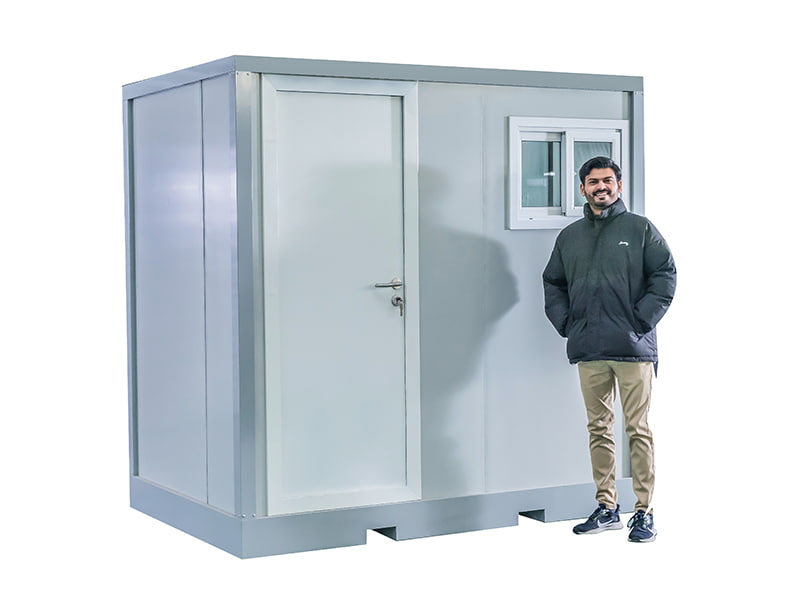
Single-Person XL Outdoor Portable Toilet
Manufacturing Strengths Behind the Product
The product is supplied by Suzhou Taimao Integrated Housing Co., Ltd., a company focused on modular building solutions and integrated construction systems. Its broader experience in modular design and prefabricated manufacturing supports the development of portable facilities that require consistent production, controlled quality, and efficient delivery.
Modular manufacturing transfers much of the work from an unpredictable outdoor site to a controlled factory environment. This can improve repeatability because materials, tools, assembly procedures, and inspections are organized within a planned production process. It can also reduce the amount of work required after delivery, helping customers place the unit into service more quickly.
The company describes its manufacturing approach as supported by proprietary technologies, modular design capabilities, and end-to-end digital software support. These strengths are relevant to portable sanitation products because the customer may need more than a standard model. Different projects can require particular dimensions, interior equipment, colors, layouts, or combinations of restroom and washing functions.
Digital tools can help coordinate design information, production requirements, and project communication. When a portable unit is customized, clear digital documentation may reduce misunderstandings between the customer, design team, factory, logistics provider, and installation personnel. It can also support more accurate planning for repeated orders or larger temporary facility programs.
The company’s flagship Structural Insulated Panel modular building system integrates structure, insulation, mechanical, electrical, plumbing, heating, ventilation and air conditioning, interior finishes, and smart home technologies into a unified solution. Although the Single-Person XL Outdoor Portable Toilet has a different scale and function, this integrated-building experience demonstrates an understanding of how separate building components must work together.
For a restroom product, the same principle applies. The enclosure, door, floor, sanitary fixture, washbasin, water connections, ventilation, and maintenance access must be considered as a coordinated system. A factory that understands integrated construction is better positioned to manage such coordination than a supplier focused only on isolated panels or basic shells.
Controlled Factory Production
Factory production can provide a more stable environment than outdoor assembly. Weather interruptions are reduced, tools and materials can be organized, and production teams can follow repeatable work sequences. This is valuable for a product intended to be deployed in different countries and climates, where consistent quality is important.
Controlled production can also support inspection at multiple stages. Teams may review the frame, enclosure, interior finish, door operation, fixture installation, and overall appearance before the unit leaves the factory. The exact inspection program depends on the order and applicable standards, but the factory-based approach creates a clear opportunity for systematic quality control.
Integrated Technical Coordination
A restroom with optional washing facilities involves more than a structural enclosure. Plumbing, drainage, fixture placement, cleaning access, and water management must be coordinated. The company’s integrated modular background supports a system-oriented approach in which structural and service requirements are considered together.
This coordination can be especially helpful when a customer requests a customized configuration. Instead of treating each modification as an isolated change, the design team can review how it affects space, installation, transportation, maintenance, and final use.
Efficient Project Delivery
One of the main benefits of prefabrication is the ability to complete much of the work before the product reaches the site. This reduces the amount of on-site assembly and can shorten the period between delivery and use. For emergency and temporary projects, time savings can be a major advantage.
Factory completion also makes it easier to prepare several units for one project. A customer can order a group of matching restrooms and deploy them according to a coordinated site plan. Standardized production may simplify replacement parts, cleaning procedures, staff training, and future expansion.
Quality and Safety Orientation
The company emphasizes quality and safety as important elements of its modular building mission. For portable sanitation, safety includes structural stability, secure doors, safe flooring, reliable fixtures, appropriate ventilation, and suitable installation. It also includes safe transport and correct site placement.
Customers should review the technical specification, applicable local regulations, and installation guidance before placing the unit into service. The manufacturer’s role is to provide a sound product and clear technical information, while the site operator remains responsible for appropriate preparation, operation, cleaning, and maintenance.
Sustainability and Resource Efficiency
Temporary facilities can support sustainability when they are designed for repeated use rather than single-project disposal. A portable restroom that can be relocated to another site may continue providing value after the original project ends. Reuse can reduce the demand for repeated temporary construction and limit unnecessary material consumption.
Factory manufacturing may also help improve resource planning. Materials can be measured, cut, stored, and assembled under controlled conditions. Better production organization can reduce avoidable waste, although the environmental performance of any product depends on material choices, energy use, transportation, maintenance, and end-of-life treatment.
The company’s broader mission includes minimizing ecological impact through modular construction. Prefabricated systems can reduce on-site disturbance because fewer construction activities take place at the final location. For a portable restroom, this may mean a simpler installation area and less disruption compared with building a permanent facility.
Water management should be considered in the sustainability plan. If a washbasin is installed, the project should determine how water is supplied, how wastewater is collected, and how cleaning is performed. Efficient fixtures and responsible operating procedures can help reduce consumption. Where local regulations allow, project planners may evaluate suitable low-water or water-saving options.
Long service life is another sustainability factor. A durable, maintainable enclosure can remain useful through multiple deployments. Regular cleaning, inspection, timely repair, and correct transportation can help preserve the unit and protect the value of the original investment.
Deployment and Site Preparation
Before delivery, the customer should identify a suitable location. The area should provide enough space for the unit, access for delivery equipment, and safe movement for users. The ground should be sufficiently stable and level, with appropriate provisions for drainage and protection from standing water.
The unit should be positioned where users can reach it conveniently without crossing unsafe work zones, vehicle routes, or poorly lit areas. At construction sites, the facility should be separated from hazards such as lifting operations, open excavations, moving machinery, and falling-object zones. At public events, the placement should support crowd circulation and emergency access.
Anchoring or stabilization may be necessary depending on wind, ground conditions, and local requirements. The installation team should verify that the unit is secure before use. In areas exposed to severe weather, additional precautions may be required, including protection from high winds, heavy rain, snow, or extreme temperatures.
If the unit includes a washbasin, the project must plan water supply and wastewater management. Connections should be installed by qualified personnel when required by local regulations. The final arrangement should allow the operator to clean, inspect, and service the system without dismantling the entire unit.
Access and privacy should be checked after installation. The door should open and close smoothly, the lock should function correctly, and the approach should be free from unnecessary obstructions. If the restroom is intended for users with special accessibility needs, the complete installation—not only the unit itself—should be reviewed against applicable requirements.
Maintenance and Hygiene Management
Even a well-manufactured restroom requires regular cleaning and inspection. A maintenance schedule should be based on the number of users, operating hours, weather, and the type of sanitation system installed. High-traffic event units may need service several times a day, while a lightly used remote facility may follow a different schedule.
Routine cleaning should include the toilet fixture, seat, floor, door handles, interior surfaces, washbasin, taps, and other frequently touched areas. Cleaning products should be compatible with the materials and finishes. Harsh chemicals should not be used without confirming that they will not damage surfaces, seals, fixtures, or drainage components.
Operators should inspect the structure for signs of movement, damage, corrosion, water entry, or wear. The door, lock, ventilation openings, floor, and any external connections should be checked. Small problems are usually easier to correct before they affect users or create a larger repair requirement.
If a washbasin is installed, the water supply and drainage system should be inspected for leaks or blockages. Soap, paper products, and other supplies should be replenished according to usage. Waste should be handled according to local environmental and health regulations.
At the end of a project, the unit should be cleaned, serviced, and prepared for transport. Proper removal protects the next users and helps extend the product’s service life. A relocation checklist can include cleaning, draining, disconnection, inspection, door securing, lifting points, and transport protection.
Customization and Project Planning
One of the product’s strengths is the ability to support different project requirements. Customers may need a basic private toilet, a toilet with a washbasin, or a more complete personal hygiene station. Discussing the intended use at the beginning of the order process allows the manufacturer to recommend a suitable internal arrangement.
Important planning questions include the expected number of users, operating hours, duration of deployment, climate, delivery route, available utilities, cleaning resources, and local regulations. The answer to each question can influence the design and installation plan.
For a construction project, the priority may be ruggedness, easy relocation, and fast setup. For a campsite, appearance, comfort, and washbasin integration may be more important. For emergency relief, delivery speed, simple operation, hygiene, and dependable deployment may lead the specification. For a public event, the project may require several units with coordinated placement and servicing.
Customers should also consider whether the product will be ordered as a single unit or as part of a larger modular facility program. A supplier with experience in integrated housing can help coordinate portable restrooms with temporary offices, accommodation buildings, dining spaces, shower units, and other site facilities. This can create a more organized temporary environment.
Color, signage, internal accessories, external identification, and project-specific fittings may also be considered where appropriate. Any customization should be reviewed for its effect on weight, transportation, cleaning, structural performance, and compliance with local requirements.
How the Product Supports Professional Site Management
A restroom is a small but visible part of project infrastructure. When it is clean, comfortable, and correctly positioned, it contributes to a more professional site. Workers and visitors are more likely to view the project as organized when basic needs are addressed through suitable facilities.
The XL unit can support workforce welfare by providing a private environment that is more comfortable than a minimal compact cabin. This may be particularly relevant for projects that operate for several months or that host workers for full shifts. Better facilities can complement broader health, safety, and welfare procedures.
For event organizers and property operators, the product can support customer experience. A visitor may judge the quality of a venue partly through its restrooms. A spacious and hygienic facility can be an important part of hospitality, even when the venue itself is temporary or outdoors.
For emergency agencies, a planned restroom system can support dignity and public health. Sanitation facilities should be arranged alongside water supply, waste management, medical services, shelter, and security. The portable toilet is one component of that system, but its privacy and hygiene potential make it a meaningful component.
Purchasing Considerations
Customers evaluating a portable restroom should look beyond the initial purchase price. Total value may include transportation, site preparation, installation, optional fixtures, cleaning, servicing, relocation, storage, and eventual reuse. A unit with more space and broader functionality may provide better value when it is used frequently or deployed over multiple projects.
The intended service life should be considered. If the unit will be used once for a short event, a basic configuration may be adequate. If it will serve a construction project, accommodation area, or relief program for an extended period, comfort, durability, maintenance access, and optional hygiene equipment may become more important.
Customers should request clear technical information about dimensions, materials, weight, fixture options, utility requirements, delivery conditions, and recommended maintenance. They should also confirm which features are standard and which require customization. This helps avoid misunderstandings during procurement.
Supplier support is another important consideration. A manufacturer with modular design and integrated construction experience may be able to assist with more than product production. Design coordination, customization, packaging, transportation planning, installation guidance, and after-sales communication can all influence the success of a project.
Why Choose an Integrated Modular Manufacturer
An integrated modular manufacturer can approach a portable restroom as part of a complete temporary infrastructure system. This is different from sourcing a basic enclosure from one supplier, plumbing equipment from another, and installation services from a third party without a unified design process.
Suzhou Taimao Integrated Housing Co., Ltd. specializes in modular building solutions and provides design, manufacturing, and technical support capabilities. Its experience with Structural Insulated Panel systems and integrated building services reflects a broader understanding of prefabricated construction. This background supports efficient communication when a customer needs a portable restroom that fits into a larger site plan.
The company’s factory-oriented approach is intended to accelerate project timelines and move much of the work into controlled production conditions. For portable facilities, this can support consistent assembly and faster site readiness. Its digital software support can also assist with design coordination and project information management.
The company presents its mission around operational efficiency, reduced ecological impact, quality, and safety. These priorities align with the requirements of modern temporary facilities, where customers increasingly expect products to be durable, reusable, practical, and responsibly manufactured.
For international customers, supplier communication and production consistency are especially important. A clear process for confirming specifications, approving drawings, preparing production, inspecting units, and arranging shipment can reduce project risk. Customers should work with the manufacturer to confirm the exact requirements for their country and application.
Frequently Asked Questions
What is the main difference between this product and a standard portable toilet?
The main difference is the larger single-user interior. The XL configuration gives users more room for movement and privacy than a highly compact portable toilet. It can also be equipped with a washbasin or personal hygiene facilities, providing broader functionality.
Can the unit include a washbasin?
Yes. The product can be equipped with a washbasin or a personal hygiene setup, subject to the selected configuration. Water supply, drainage, cleaning, and local installation requirements should be confirmed during project planning.
Where can the Single-Person XL Outdoor Portable Toilet be used?
It can be used at construction sites, campsites, emergency relief locations, outdoor events, remote work areas, temporary accommodation projects, infrastructure sites, and other locations that need a private mobile restroom.
Is the product suitable for long-term temporary use?
It is designed for outdoor deployment and repeated relocation, making it suitable for many long-term temporary applications. Service life and performance depend on the selected specification, climate, installation, cleaning, maintenance, and frequency of use.
Does the unit require a permanent foundation?
A permanent foundation is not generally the purpose of a portable unit, but the site must still provide a stable and reasonably level base. Depending on ground conditions and local weather, stabilization, anchoring, or a temporary platform may be necessary.
How quickly can the restroom be put into service?
The product is designed for quick deployment and can be ready for use soon after setup. The actual time depends on delivery, site preparation, utility connections, optional equipment, inspection, and local requirements.
Can the restroom be relocated after installation?
Yes. Its portable design supports relocation when project conditions change. Before moving the unit, operators should complete the required cleaning, draining, disconnection, lifting, securing, and transport procedures.
Is the unit suitable for emergency response?
Yes. Its portability, privacy, spacious interior, and optional hygiene capability make it suitable for emergency relief and temporary sanitation programs. Emergency planners should coordinate placement, servicing, water supply, waste management, accessibility, and safety.
Can the product be customized?
The unit can be discussed as a customized solution according to the required internal facilities and project conditions. Customers should provide information about intended use, dimensions, utility availability, climate, expected traffic, and local regulations before finalizing the specification.
What should be considered when adding a washbasin?
The project should consider water supply, wastewater collection, drainage, fixture placement, cleaning access, freezing conditions, and maintenance. The washbasin should be integrated without blocking the door or reducing safe movement inside the compartment.
How should the unit be maintained?
Maintenance should include regular cleaning, waste servicing, inspection of the door and lock, checking for leaks or damage, and review of the floor, ventilation, fixtures, and external connections. The frequency should reflect user volume and operating conditions.
Why is factory manufacturing important for a portable restroom?
Factory manufacturing can support repeatable assembly, controlled working conditions, systematic inspection, efficient customization, and reduced on-site work. These advantages may contribute to consistent quality and faster deployment.
What makes an integrated modular manufacturer valuable?
An integrated manufacturer can coordinate structure, interior finishes, plumbing, ventilation, optional equipment, and project information as one system. This can simplify communication and help the portable restroom fit into a larger temporary building or site infrastructure plan.
Can the product be used in cold or wet climates?
The unit is designed for outdoor use, but climate-specific planning is essential. Customers should discuss insulation, water protection, drainage, freezing conditions, wind exposure, anchoring, and maintenance requirements with the manufacturer before deployment.
Is this product a replacement for a permanent restroom?
It can replace or supplement permanent facilities in temporary, remote, or changing environments, but it is not automatically a substitute for every permanent building. The correct choice depends on project duration, occupancy, local codes, utilities, budget, and long-term facility plans.
Conclusion
The Single-Person XL Outdoor Portable Toilet offers a practical response to the limitations of conventional compact portable restrooms. Its larger private interior supports greater comfort, easier movement, and a more dignified user experience. Optional washbasin and hygiene facilities expand its function beyond a basic toilet, allowing it to serve as a compact personal sanitation station.
Its portability and weather-resistant construction make it suitable for construction sites, campsites, emergency relief operations, outdoor events, remote work areas, temporary accommodation, and infrastructure projects. The ability to relocate the unit allows operators to respond to changing site conditions rather than committing to fixed construction.
The product is also supported by the capabilities of a modular building manufacturer with experience in factory production, integrated systems, digital project support, and prefabricated construction. This manufacturing background can help customers manage customization, quality coordination, efficient delivery, and integration with broader temporary facilities.
For organizations seeking a portable restroom that combines privacy, space, flexibility, and optional hygiene functionality, the XL single-person design provides a strong alternative to minimum-size units. With appropriate site preparation, maintenance, and project planning, it can deliver reliable sanitation wherever permanent facilities are unavailable, impractical, or still under development.
References
1. International Organization for Standardization. Quality Management Principles and Manufacturing Process Guidance.
2. International Organization for Standardization. Environmental Management Principles for Manufactured Products.
3. World Health Organization. Guidelines for Sanitation and Health.
4. World Health Organization. Water, Sanitation, Hygiene, and Waste Management in Emergency Settings.
5. International Labour Organization. Workplace Welfare and Occupational Safety Guidance for Construction Sites.
6. United Nations Human Settlements Programme. Principles of Sustainable and Resilient Temporary Housing.
7. Modular Building Institute. General Practices for Off-Site and Modular Construction.
8. Manufacturer-provided product specifications for the Single-Person XL Outdoor Portable Toilet.
9. Manufacturer-provided information concerning modular design, Structural Insulated Panel construction, factory production, and integrated building systems.
Product: Single-Person XL Outdoor Portable Toilet

For exclusive deals and latest offers, sign up by entering your email address below.

-
TEL:+86 18762912902
-
Email:cntaimao@163.com
-
WhatsApp:
-
Add:Group 5, Cao Village, Zhenze Town, Suzhou, Jiangsu, China
Copyright © Suzhou Taimao Integrated Housing Co., Ltd.
All Rights Reserved.
 Wholesale movable homes for sale
custom built modular homes
Wholesale movable homes for sale
custom built modular homes