

 EN
EN
 русский
 Español
 عربى
عربى Français
Single-Person XL Outdoor Portable Toilet: A Spacious, Flexible, and Professionally Manufactured Sanitation Solution
Admin 2026-08-18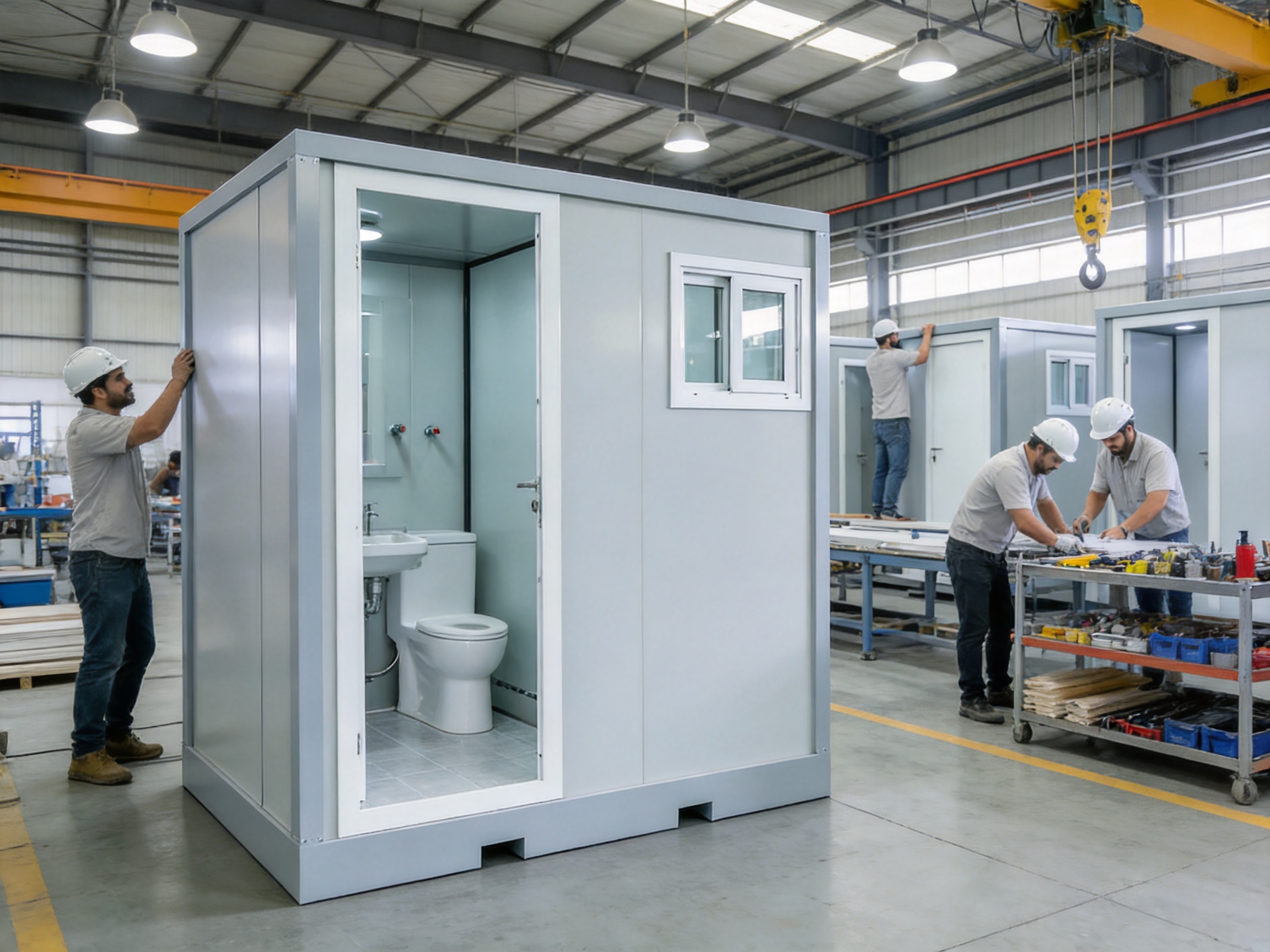
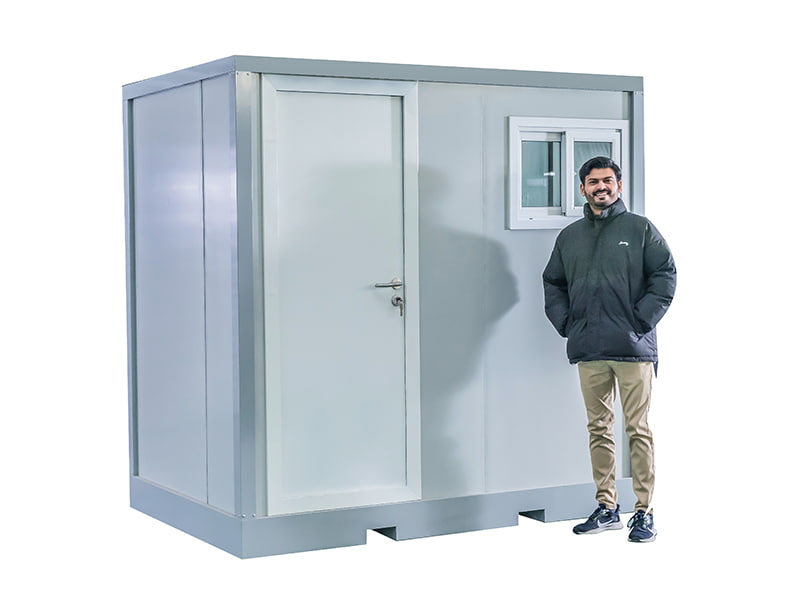
Single-Person XL Outdoor Portable Toilet
Reliable sanitation is essential wherever people live, work, travel, or respond to emergencies. Construction sites, outdoor events, campsites, disaster-relief areas, remote work zones, public gatherings, temporary accommodation projects, and infrastructure developments all require restroom facilities that can be installed quickly and operated safely. In many of these environments, permanent buildings are impractical because the site may be temporary, difficult to access, or subject to rapid changes in occupancy.
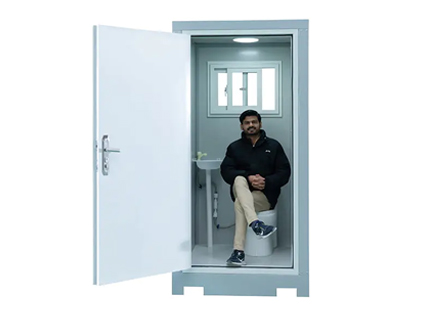
The Single-Person XL Outdoor Portable Toilet is designed to address these challenges with a combination of privacy, interior space, mobility, durability, and flexible sanitation functions. Rather than offering only the minimum room required for a basic portable toilet, the unit provides a larger individual compartment that allows users to move more comfortably. Its spacious layout also creates the possibility of adding a washbasin or personal hygiene facilities, transforming the product from a simple toilet enclosure into a compact mobile sanitation station.
This design is especially valuable in locations where user comfort, privacy, hygiene, and rapid deployment must be considered together. A conventional portable toilet may be suitable for very short visits, but it can feel restrictive during extended use. The XL format provides a more practical alternative for camps, emergency facilities, temporary worker accommodation, remote projects, and events where the restroom may need to serve a wide range of users.
Manufactured by Suzhou Taimao Integrated Housing Co., Ltd., the Single-Person XL Outdoor Portable Toilet benefits from the company’s broader experience in modular construction, prefabricated buildings, structural systems, and factory-controlled production. This background supports a product philosophy centered on standardization, dependable assembly, efficient transportation, and adaptable configurations.
Content
- 1 Understanding the Single-Person XL Outdoor Portable Toilet
- 2 Key Product Advantages
- 3 Advantages Compared with Standard Portable Toilets
- 4 Applications Across Multiple Industries
- 5 Advanced Manufacturing Approach
- 6 Materials, Durability, and Outdoor Performance
- 7 Hygiene, Cleaning, and Maintenance
- 8 Installation and Deployment Considerations
- 9 Customization for Different User Requirements
- 10 Environmental and Lifecycle Benefits
- 11 Why Professional Manufacturing Matters
- 12 Ordering and Project Planning Process
- 13 Operational Best Practices
- 14 Frequently Asked Questions
- 14.1 What makes this portable toilet an XL model?
- 14.2 Can a washbasin be installed inside the unit?
- 14.3 Is the product suitable for construction sites?
- 14.4 Can it be used in emergency-relief projects?
- 14.5 How quickly can the unit be put into service?
- 14.6 Is the unit easy to relocate?
- 14.7 Can the product be customized?
- 14.8 Does the product require a permanent foundation?
- 14.9 How should the unit be maintained?
- 14.10 Who manufactures the Single-Person XL Outdoor Portable Toilet?
- 14.11 What other types of projects can the manufacturer support?
- 15 Conclusion
- 16 References
- 17 Product: Single-Person XL Outdoor Portable Toilet
Understanding the Single-Person XL Outdoor Portable Toilet
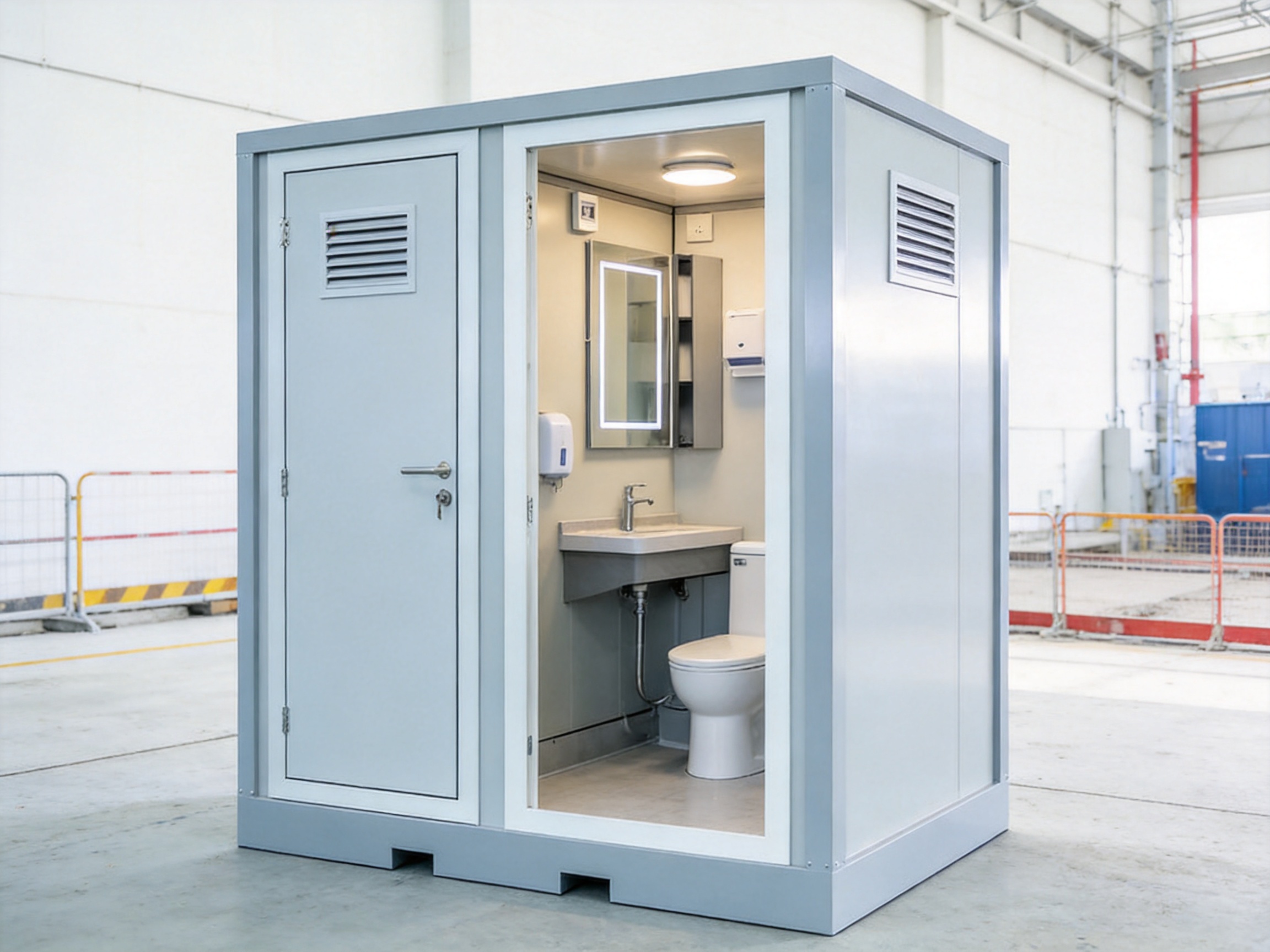
The Single-Person XL Outdoor Portable Toilet is a standalone outdoor restroom designed for one user at a time. Its primary function is to provide a private and weather-resistant toilet space without requiring the construction of a permanent building. The internal area is intentionally larger than that of many standard single-user portable units, giving occupants more room to enter, turn, sit, stand, and organize personal belongings.
The larger interior is not simply a matter of physical dimensions. It changes the overall experience of using a temporary restroom. In a narrow standard unit, users may feel confined, especially when wearing work clothing, outdoor equipment, protective garments, or winter clothing. The XL layout provides additional clearance and can be configured to accommodate optional hygiene equipment. This makes the unit suitable for applications where comfort and dignity are important rather than incidental.
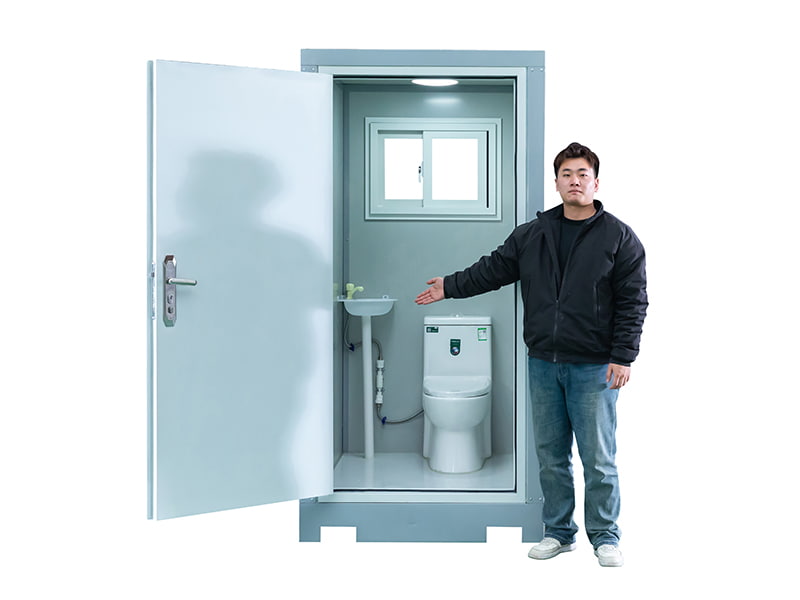
The product can be supplied as a toilet-only facility or configured with a washbasin and related personal hygiene equipment. Depending on the project requirements, the internal arrangement may support handwashing, cleaning, or other basic sanitation functions. This flexibility makes it appropriate for construction zones, temporary accommodation areas, outdoor hospitality projects, emergency shelters, and remote facilities.
Because the unit is designed for portability, it can be relocated as project needs change. A construction site may move its work areas, an event organizer may need to reposition facilities, or an emergency-response team may establish sanitation services in a new area. A mobile structure can be more useful than a fixed restroom building in these situations because it supports changing site conditions without requiring extensive demolition or rebuilding.
Key Product Advantages
XL Interior Space for Greater Comfort
The most important differentiating feature is the spacious single-user interior. Many portable toilets prioritize compactness above all other considerations. Compact dimensions can reduce transportation volume, but they may also create a cramped environment that is uncomfortable for users and difficult to clean or maintain.
The XL design takes a more balanced approach. It retains the practical advantages of a portable structure while providing additional interior volume. Users can move more naturally, close and open the door with less difficulty, and use the toilet without feeling unnecessarily restricted. The extra space also creates a more welcoming environment for workers, visitors, campers, and members of the public.
Greater interior capacity can be especially valuable in cold climates or industrial settings. Workers may enter wearing safety footwear, heavy workwear, rain gear, or protective equipment. In emergency situations, users may be carrying personal supplies or medical equipment. A larger compartment provides additional usability in circumstances where a compact cabin would not be sufficient.
Enhanced Privacy for Individual Use
Privacy is a fundamental requirement of any restroom, but it becomes even more important in temporary environments where users may otherwise have limited personal space. The Single-Person XL Outdoor Portable Toilet creates an enclosed private compartment for one person. This makes it appropriate for locations where users expect a more secure and comfortable restroom experience.
The single-user configuration also simplifies the movement of people through the facility. Each unit can be operated independently, which reduces internal congestion and avoids the need for shared spaces. For temporary accommodation projects, remote worksites, and outdoor events, individual units can be positioned according to site access, privacy requirements, and expected traffic patterns.
Privacy can also be relevant in emergency-relief projects. People affected by disasters may already be experiencing stress, displacement, or uncertainty. Providing a private and dignified sanitation facility can support physical health as well as emotional well-being. The XL format offers an environment that is more respectful than improvised or highly confined alternatives.
Optional Washbasin and Hygiene Facilities
A major advantage of this product is the option to install a washbasin or personal hygiene setup inside the unit. This feature allows the facility to support more than toilet use. Users may wash their hands, clean small items, or complete basic hygiene routines without leaving the private compartment.
Combining toilet and handwashing functions can improve convenience and help support better sanitation behavior. In locations where external handwashing stations are difficult to install or maintain, an integrated configuration may simplify site planning. It can also reduce the number of separate structures required at a temporary facility.
The interior can be planned according to the client’s operational requirements. For example, a project may prioritize maximum floor space, while another may require a compact washbasin, storage shelf, mirror, dispenser, or other hygiene-related accessory. The ability to adapt the internal configuration makes the product suitable for varied applications rather than a single standardized use case.
Fast Deployment and Simple Site Planning
Temporary projects often operate under strict time limits. A restroom facility may be needed before workers arrive, before an event opens, or immediately after an emergency response team reaches a location. The Single-Person XL Outdoor Portable Toilet is designed for efficient setup so that it can be placed into service quickly after delivery and positioning.
Its prefabricated approach reduces the amount of on-site construction required. Instead of building walls, installing a roof, and completing extensive interior work at the location, the main structure is prepared through controlled manufacturing processes. Once transported to the site, the unit can be installed, connected to the required services, inspected, and prepared for use.
Rapid deployment can reduce labor costs, minimize disruption to the surrounding area, and help project managers meet demanding schedules. It is especially useful when access to skilled construction labor is limited or when the site must remain operational during installation.
Portability for Changing Locations
The unit is intended for flexible use and relocation. It can serve a temporary facility for a short period and then be moved to another project, camp, event area, or emergency site. This gives owners more opportunities to reuse the same restroom assets rather than treating them as single-project structures.
Portability is also valuable for phased construction. A large infrastructure project may move from one work zone to another over several months or years. A mobile restroom can follow the workforce as the active work areas change. Similarly, event organizers can reposition facilities based on crowd movement, entrance locations, service areas, or temporary site layouts.
When a facility can be moved and reused, the total lifecycle value may be higher than that of a fixed temporary structure. The owner can plan for multiple deployments, reducing the need to purchase new facilities for each project. This supports a more efficient approach to temporary infrastructure management.
Weather-Resistant Outdoor Construction
Outdoor restroom facilities must withstand exposure to sun, rain, wind, temperature changes, dust, and repeated handling. The Single-Person XL Outdoor Portable Toilet is designed with a robust structure suitable for outdoor deployment. Its enclosure provides separation from the surrounding environment while maintaining a practical and manageable form for transport and installation.
Weather-resistant construction helps protect the interior from normal outdoor conditions and supports reliable use across different seasons. A durable enclosure can also reduce the likelihood of damage during relocation, storage, or repeated project deployment. Proper site anchoring, drainage, service connections, and routine maintenance remain important, but a strong base structure provides the foundation for dependable operation.
Advantages Compared with Standard Portable Toilets
Standard portable toilets are often designed around the smallest possible footprint. This can make them economical to transport, but it may limit comfort, accessibility, cleaning convenience, and the ability to add useful features. The Single-Person XL Outdoor Portable Toilet is differentiated by its emphasis on usable interior space and configurable sanitation functions.
| Comparison Factor | Standard Compact Portable Toilet | Single-Person XL Outdoor Portable Toilet |
|---|---|---|
| Interior space | Limited space focused on basic toilet use | Larger compartment designed for improved movement and comfort |
| Privacy experience | Basic private enclosure | Expanded private environment with a more comfortable user experience |
| Hygiene options | Usually limited to toilet functions | Can be equipped with a washbasin or personal hygiene facilities |
| Application range | Short-duration events and basic site use | Events, camps, worksites, emergency relief, temporary accommodation, and remote facilities |
| Relocation capability | Portable, often optimized for frequent short-term movement | Portable and suitable for planned relocation between projects or site areas |
| User comfort | Functional but potentially restrictive | More room for clothing, equipment, movement, and personal comfort |
| Configuration flexibility | Usually limited to a fixed layout | Can be adapted with optional internal sanitation equipment |
The comparison does not mean that compact portable toilets are unsuitable for every project. They remain useful where space and initial cost are the only major priorities. However, projects that require better comfort, improved privacy, interior hygiene functions, or longer-term usability may benefit from the XL solution.
The larger interior may also simplify cleaning and inspection. More accessible surfaces and additional clearance can make it easier for service personnel to reach key areas. A unit that is easier to clean is more likely to maintain a good hygiene standard during extended deployment, particularly when it is used by many different people over time.
Another advantage is the possibility of reducing the number of separate facilities needed at a site. If a toilet unit can include a washbasin or basic hygiene equipment, project planners may not need to install an additional small washing cabin for every group of users. The final arrangement depends on capacity calculations and local regulations, but multifunctional design can make site planning more efficient.
Applications Across Multiple Industries
Construction Sites
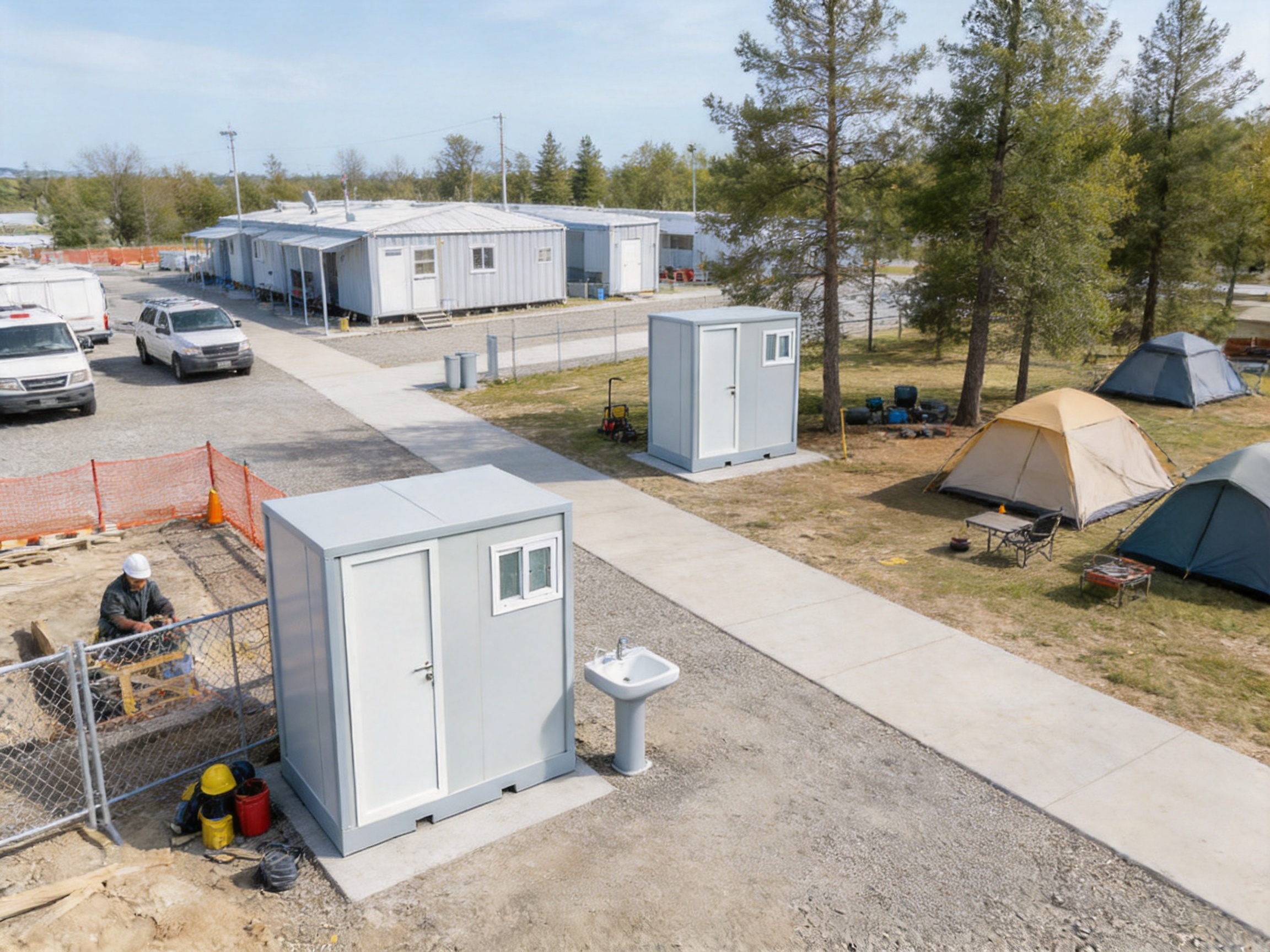
Construction projects frequently operate before permanent buildings are complete. Workers need safe and convenient sanitation facilities from the first phase of site preparation through final completion. The Single-Person XL Outdoor Portable Toilet can be positioned near active work areas, worker rest zones, temporary offices, or accommodation compounds.
The XL format is useful for workers who wear protective clothing, safety boots, helmets, reflective garments, or other equipment. The larger interior can make restroom access less cumbersome during a long working day. If the unit is equipped with a washbasin, it may also support hand hygiene before meals, after work tasks, or following contact with dust and construction materials.
For contractors, the ability to relocate the unit can be valuable as the project progresses. Units can be moved from early excavation zones to structural work areas and later to finishing or landscaping zones. This reduces the need to build multiple temporary facilities and supports more responsive site management.
Remote Infrastructure and Energy Projects
Road construction, railway development, mining, renewable-energy installations, utility works, and telecommunications projects often take place far from established public facilities. Transporting workers to distant restrooms is inefficient and may create unnecessary safety risks. A portable XL restroom offers a practical onsite alternative.
Remote projects may also have limited access to water, drainage, electricity, and waste-management services. The unit can be planned around the available infrastructure, with equipment and connections selected according to the project’s operating conditions. Its enclosed design helps provide a consistent sanitation environment even when the surrounding site is undeveloped.
Camping and Outdoor Recreation
Campgrounds, temporary adventure bases, outdoor training programs, hunting areas, fishing sites, and recreational parks can use portable restrooms to improve visitor comfort without constructing permanent buildings. A spacious individual facility is particularly attractive for family-oriented or premium outdoor accommodation projects.
The option to include a washbasin supports a more complete outdoor hygiene experience. Campers can use a private facility without walking long distances to a shared restroom block. Operators can also deploy units seasonally, moving them into storage during low-demand periods or relocating them as campsite layouts change.
Emergency Relief and Humanitarian Response
Natural disasters, extreme weather events, public emergencies, and large-scale displacement can create an urgent need for sanitation. Permanent facilities may be damaged, inaccessible, or overwhelmed. Portable toilets can be transported to relief centers, temporary camps, medical support areas, and distribution points.
The Single-Person XL design supports privacy and dignity in challenging circumstances. It can be useful for general users, families, older adults, and people who need more room than a compact unit provides. Where appropriate, a customized layout may also support improved accessibility and easier cleaning procedures.
Emergency deployments require careful coordination. Site operators must evaluate ground conditions, drainage, waste collection, service access, anchoring, lighting, and separation from food or medical areas. The product provides the physical facility, while effective operation depends on a complete deployment and maintenance plan.
Outdoor Events and Public Gatherings
Concerts, sporting events, fairs, exhibitions, festivals, weddings, and community activities often require temporary restroom capacity. The XL portable toilet can be arranged in groups or placed at strategic points across an event site. Its more comfortable interior can contribute to a better visitor experience, particularly at events lasting several hours or multiple days.
Event planners may select different internal configurations for different areas. Toilet-only units may serve high-traffic zones, while units with washbasins can be positioned near dining areas, hospitality zones, or family spaces. Because the product is portable, operators can adjust the layout during event setup or according to expected crowd movement.
Temporary Accommodation and Workforce Housing
Temporary housing compounds, seasonal worker facilities, military support areas, and project camps require sanitation solutions that are more suitable for repeated daily use than basic event toilets. The Single-Person XL Outdoor Portable Toilet can function as part of a broader modular accommodation plan.
Its larger interior may improve daily comfort for residents who use the facility repeatedly. A washbasin configuration may also help reduce pressure on shared washing blocks. When the accommodation project ends, the units can be relocated and redeployed elsewhere, supporting a reusable infrastructure model.
Advanced Manufacturing Approach
The quality of a portable restroom depends not only on its visible appearance but also on the manufacturing process behind the structure. Consistent dimensions, reliable connections, durable materials, watertight details, service access, and repeatable assembly all influence long-term performance. Suzhou Taimao Integrated Housing Co., Ltd. applies experience from modular building production to the development of portable sanitation products.
Factory-Controlled Production
Factory manufacturing provides a more controlled environment than unrestricted outdoor construction. Components can be measured, cut, assembled, inspected, and finished according to defined procedures. This reduces the impact of weather, site congestion, inconsistent labor conditions, and other variables that can affect quality during field construction.
Controlled production also supports repeatability. When multiple units are ordered for a project, the manufacturer can maintain consistent dimensions, openings, fittings, finishes, and structural interfaces. This is important for large deployments because it simplifies installation, spare-parts management, inspection, and operator training.
Factory production can reduce onsite waste and shorten the construction period. Materials are processed in a planned workflow, and major assembly activities occur before delivery. The customer receives a product that is closer to operational readiness than a collection of loose construction materials.
Modular Design Principles
Modular design allows the restroom to be treated as a complete functional unit. The enclosure, interior arrangement, sanitation equipment, structural components, and service connections can be considered together during planning. This reduces the risk of mismatched parts or inefficient onsite modifications.
Modularity also supports customization without requiring an entirely new design for every order. The manufacturer can adapt interior facilities, external finishes, equipment packages, service arrangements, and other details while retaining a standardized production foundation. This balance between standardization and customization helps control cost and lead time.
For clients managing multiple projects, modularity makes it easier to specify a repeatable product family. Units can share common doors, fittings, fixtures, maintenance procedures, and replacement components. Standardization can improve procurement efficiency and simplify staff training across different locations.
Integration of Structure and Building Services
The company’s broader modular construction capabilities include the integration of structural systems, insulation, mechanical and electrical services, heating, ventilation, interior finishes, and smart technologies. This expertise is relevant to portable restroom manufacturing because sanitation units also require coordinated integration of structure and services.
A washbasin configuration may require water supply, drainage, fixture mounting, ventilation, lighting, and surface protection. These elements must be planned as a coordinated system rather than installed randomly after the enclosure is complete. Factory integration can improve the alignment and accessibility of these components.
When services are integrated during production, the manufacturer can test key interfaces before shipment. This may include checking fixture installation, door operation, drainage paths, lighting connections, seal continuity, and other functional details. Testing does not replace local commissioning, but it can reduce the risk of avoidable installation problems.
Digital Support and Production Coordination
Modern modular construction benefits from digital planning and production coordination. Digital design tools can support accurate layouts, material scheduling, component tracking, and communication between engineering, manufacturing, logistics, and installation teams.
For a portable restroom, digital coordination can help confirm that optional equipment fits within the XL interior without reducing usability. It can also help identify conflicts between plumbing routes, wall assemblies, door swings, ventilation components, and maintenance access points before manufacturing begins.
Digital documentation may further support future maintenance. Operators can retain information about the unit configuration, installed equipment, replacement parts, and service requirements. This is particularly helpful for owners with many portable units distributed across multiple projects.
Quality and Safety Orientation
The company positions its modular building operations around quality, safety, efficiency, and environmental responsibility. These principles are important in portable sanitation because the product must protect users, withstand repeated handling, and remain practical to service.
Safety considerations may include structural stability, secure doors, slip-resistant surfaces, safe electrical installation, appropriate ventilation, stable placement, and controlled access to service components. The exact requirements depend on the final configuration, local codes, and intended use. A professional manufacturing process provides a stronger foundation for meeting these requirements consistently.
Materials, Durability, and Outdoor Performance
A portable restroom must balance strength with manageable weight. If it is too heavy, transport and relocation become inefficient. If it is too light or poorly reinforced, it may be vulnerable to damage, vibration, wind, or repeated handling. The structure therefore requires a practical combination of frame strength, enclosure durability, protective finishes, and carefully designed connections.
Outdoor exposure makes surface selection particularly important. Materials should be appropriate for moisture, cleaning agents, temperature changes, ultraviolet exposure, and normal contact with users. Interior finishes should be easy to wipe and maintain, while exterior surfaces should protect the enclosure from ordinary weather conditions.
Durability also includes the quality of doors, hinges, locks, handles, roof interfaces, floor assemblies, and service openings. These parts are used repeatedly and may experience more wear than the main wall panels. A well-designed product considers these high-use points during engineering and production.
The floor is especially important because it must support users, tolerate moisture, and permit effective cleaning. The final floor design should be selected according to local requirements and the intended waste-management system. Proper drainage and cleaning procedures remain essential for maintaining a sanitary environment.
Hygiene, Cleaning, and Maintenance
A portable restroom performs best when the unit is supported by a clear maintenance program. Regular cleaning, waste removal, inspection, ventilation checks, fixture maintenance, and replenishment of hygiene supplies are necessary for safe and comfortable operation.
The larger interior of the XL unit can support more effective cleaning because service personnel have greater room to access surfaces and equipment. This does not eliminate the need for proper procedures, but it can make routine work more practical. Operators should establish cleaning frequencies based on user volume, climate, event duration, and the type of sanitation system installed.
If a washbasin is included, the water supply and drainage system must be inspected regularly. Operators should check for leaks, blockages, damaged fittings, low water pressure, and the condition of soap or sanitizer dispensers. In cold climates, water systems may require protection against freezing. In hot climates, tanks and water lines may require additional monitoring.
Ventilation should also be maintained. Adequate airflow helps control odor, moisture, and condensation. Ventilation openings must remain clear, and any mechanical fan or filter should be serviced according to the equipment manufacturer’s instructions.
The unit should be inspected after relocation. Moving a structure can place stress on doors, joints, service connections, floor components, and anchoring systems. A post-relocation inspection helps identify damage before the restroom is returned to service.
Installation and Deployment Considerations
Although the product is designed for fast deployment, good site preparation remains important. The installation area should be reasonably level, stable, accessible for delivery, and suitable for the intended sanitation system. Standing water, unstable soil, blocked access, and inadequate drainage may reduce performance regardless of the quality of the unit.
Project planners should determine how the restroom will be supplied, serviced, cleaned, and eventually removed. The plan may include water connections, wastewater storage or drainage, electrical power, lighting, handwashing supplies, waste collection, and vehicle access for maintenance teams.
Units should be positioned where users can reach them safely in all expected weather conditions. Pathways may need lighting, non-slip surfaces, ramps, or protective barriers. At public events, the layout should consider crowd flow and emergency access. At construction sites, the unit should be separated from moving vehicles, hazardous operations, and material storage areas.
Anchoring and wind protection should be evaluated according to local conditions. A portable structure must remain stable during normal use and expected weather exposure. The appropriate anchoring method depends on the ground surface, local regulations, unit configuration, and site-specific wind conditions.
Customization for Different User Requirements
One of the strengths of a modular product is the ability to adapt it to different operating environments. Customers may request variations in internal equipment, color, exterior finish, ventilation, lighting, signage, access arrangements, or service connections. The precise options should be confirmed during technical design.
For a construction site, the priority may be a highly durable enclosure, easy cleaning, and rapid relocation. For a campground, the customer may prefer a more attractive finish, a washbasin, improved lighting, and a comfortable user environment. For emergency relief, the focus may be fast delivery, simple servicing, robust operation, and compatibility with temporary water and waste systems.
Accessibility should be considered during the planning stage. Some users may require additional turning space, wider doors, handrails, ramps, or other features. The XL interior provides a useful starting point for more adaptable configurations, but accessibility compliance must be evaluated against the applicable local standards and the final installed arrangement.
Branding and identification can also be added for commercial or organizational use. Event operators may use color coding or signage to guide visitors. Construction companies may label units by work zone. Relief agencies may identify facilities according to service area. Clear identification can improve site organization and reduce confusion during large deployments.
Environmental and Lifecycle Benefits
Temporary structures should be evaluated over their full lifecycle rather than only by their initial purchase price. A portable restroom that can be relocated, maintained, upgraded, and reused may provide greater value than a disposable or single-purpose alternative.
Factory production can support more efficient material use and reduce waste associated with uncontrolled onsite construction. Standardized components may also simplify repair and replacement, helping extend the useful life of the unit. If the structure remains serviceable after one project, it can be redeployed to another location instead of being discarded.
The optional washbasin configuration may reduce the need for additional separate hygiene structures in some applications. This can help optimize site space and reduce the number of individual units that must be transported and maintained. The environmental benefit depends on the project design, water system, cleaning method, and waste-management practices.
The company’s wider focus on sustainable construction and factory-integrated modular systems supports a lifecycle-oriented approach. By shifting more work into controlled manufacturing environments, modular production can help reduce onsite disturbance and shorten project timelines. These benefits are particularly relevant to temporary facilities that must be installed with minimal impact on the surrounding area.
Why Professional Manufacturing Matters
Portable sanitation products may appear simple, but their performance depends on many coordinated details. A unit must be stable, weather-resistant, easy to clean, comfortable to use, practical to transport, and compatible with appropriate service systems. Weakness in any one of these areas can create operational problems.
A professional manufacturer contributes engineering knowledge, production discipline, quality procedures, supplier coordination, and after-sales support. These capabilities help turn a basic enclosure into a dependable facility. They also allow the customer to discuss application requirements before production rather than attempting to solve problems after delivery.
Suzhou Taimao Integrated Housing Co., Ltd. brings experience from the wider integrated-housing sector, including modular design, prefabricated construction, structural systems, and factory production. Its manufacturing philosophy emphasizes the coordination of structure, insulation, mechanical and electrical services, interior finishes, and technology within a unified modular system.
This background supports a practical approach to portable restroom development. The company can evaluate the product as a complete building module rather than as an isolated fixture. That perspective is valuable when customers require optional washbasins, improved interior comfort, custom service connections, repeated relocation, or integration with temporary housing and site facilities.
Ordering and Project Planning Process
A successful order begins with a clear understanding of the application. Customers should identify the expected number of users, operating period, location, climate, access conditions, water availability, waste-management method, power supply, and frequency of relocation.
The next step is to define the desired configuration. This includes deciding whether the unit will be toilet-only or equipped with a washbasin and hygiene facilities. Customers should also consider lighting, ventilation, internal accessories, accessibility features, signage, exterior appearance, and any special service requirements.
Technical discussions should confirm dimensions, materials, connection points, transport conditions, installation procedures, and maintenance access. If a large order is planned, it may be useful to establish a standard configuration for most units and reserve customized versions for specific locations.
Before shipment, the production team can coordinate inspection, packaging, loading, documentation, and delivery scheduling. On arrival, the customer should inspect the unit for transport damage, confirm the contents, position the structure on a prepared base, complete required connections, and perform a commissioning check.
For international projects, customers should also verify local requirements related to sanitation, electrical systems, accessibility, fire safety, waste handling, and temporary structures. The manufacturer can provide technical information for project review, while the buyer and local professionals remain responsible for ensuring compliance with the regulations applicable to the installation site.
Operational Best Practices
Place the unit on a stable and level foundation suitable for the site conditions. Avoid low areas where water may collect after rain. Maintain clear access for users, cleaning personnel, service vehicles, and emergency response teams.
Provide adequate lighting around the unit, especially when it will be used at night. Lighting should help users find the facility safely without creating glare or compromising privacy.
Establish a regular cleaning schedule based on actual usage. High-traffic events may require several service visits per day, while a lightly used remote facility may follow a less frequent schedule. Records should be kept for cleaning, waste removal, repairs, and inspections.
Keep hygiene supplies available when a washbasin is installed. Soap, sanitizer, paper products, water, and waste containers should be checked regularly. Empty dispensers can reduce the value of an otherwise well-designed sanitation facility.
Inspect door hardware and locks frequently. A door that does not close correctly can compromise privacy, weather resistance, and user confidence. Hinges, handles, seals, and latches should be repaired or replaced when necessary.
After severe weather, inspect the roof, exterior panels, base, anchoring points, ventilation, and service connections. If the unit has been moved, perform a complete inspection before allowing normal use.
Frequently Asked Questions
What makes this portable toilet an XL model?
The XL designation refers to the larger single-user interior compared with many standard compact portable toilets. The additional space is intended to improve movement, comfort, privacy, and the ability to install optional hygiene equipment.
Can a washbasin be installed inside the unit?
Yes. The unit can be configured with a washbasin or other personal hygiene facilities. The exact arrangement depends on the customer’s requirements, available water and drainage systems, local regulations, and the selected equipment package.
Is the product suitable for construction sites?
Yes. It is designed for outdoor deployment and can serve workers at construction sites, infrastructure projects, remote work zones, and temporary accommodation areas. Its portability allows it to be relocated as the active work area changes.
Can it be used in emergency-relief projects?
Yes. The unit can provide a private sanitation facility for emergency camps, relief centers, temporary medical areas, and other response locations. Deployment planning should include transportation, stable placement, water supply, waste handling, cleaning, lighting, and local health requirements.
How quickly can the unit be put into service?
The prefabricated design supports rapid deployment after delivery and positioning. The final time depends on site preparation, transport distance, utility connections, anchoring, inspection, and the selected internal configuration.
Is the unit easy to relocate?
It is designed as a portable and flexible structure that can be moved between site areas or projects. Relocation should be completed using suitable equipment and procedures, followed by inspection of the structure, door, floor, anchoring, and service connections.
Can the product be customized?
Customization may include washbasins, hygiene accessories, internal layouts, lighting, ventilation, exterior finishes, signage, accessibility-related features, and service arrangements. Customers should discuss their requirements with the manufacturer during the design stage.
Does the product require a permanent foundation?
Portable deployment generally does not require a conventional permanent building foundation, but the unit still needs a stable, level, and properly prepared base. The appropriate foundation or support method depends on local ground conditions, wind exposure, drainage, regulations, and the intended period of use.
How should the unit be maintained?
Maintenance includes routine cleaning, waste removal, inspection of doors and locks, checking ventilation, servicing plumbing and washbasin equipment, replenishing hygiene supplies, and examining the structure after relocation or severe weather.
Who manufactures the Single-Person XL Outdoor Portable Toilet?
The product is manufactured by Suzhou Taimao Integrated Housing Co., Ltd., a Chinese modular building and integrated housing company with capabilities in modular design, prefabricated production, structural systems, and coordinated factory manufacturing.
What other types of projects can the manufacturer support?
The company specializes in modular building solutions, including portable houses, temporary accommodation, mobile homes, small and large modular homes, construction site facilities, and other prefabricated structures. Its capabilities can support projects that require coordinated modular design and factory-based production.
Conclusion
The Single-Person XL Outdoor Portable Toilet offers a practical improvement over basic compact restroom units by prioritizing usable interior space, personal privacy, flexible hygiene functions, outdoor durability, and rapid deployment. It is suitable for a wide range of temporary and remote applications, including construction sites, campsites, emergency-relief projects, outdoor events, infrastructure works, temporary accommodation, and public facilities.
Its optional washbasin and hygiene configuration allows the unit to serve as a more complete sanitation station. Its portable format supports relocation and reuse, while the XL interior provides a more comfortable experience for users wearing bulky clothing, carrying equipment, or requiring additional personal space.
The product is strengthened by the manufacturing capabilities of Suzhou Taimao Integrated Housing Co., Ltd. The company’s experience in modular construction, factory-controlled production, integrated building services, digital coordination, and sustainable prefabrication supports a structured approach to quality and customization.
For customers seeking more than a minimal temporary toilet, this product provides a balanced solution that combines mobility with comfort and practical functionality. By selecting the appropriate internal equipment, preparing the site correctly, and implementing a consistent maintenance program, project operators can create a dependable restroom facility that supports health, privacy, efficiency, and user satisfaction throughout its service life.
References
1. International Organization for Standardization. General Principles for Hygiene and Sanitation Facility Planning.
2. World Health Organization. Guidelines for Sanitation and Health.
3. International Labour Organization. Occupational Safety and Health Considerations for Construction and Remote Worksites.
4. United Nations Human Settlements Programme. Planning Principles for Temporary and Emergency Shelter Facilities.
5. Modular Building Institute. Principles of Off-Site Construction, Modular Manufacturing, and Prefabricated Building Quality.
6. International Code Council. General Guidance for Temporary Structures, Accessibility, and Building Safety.
7. Manufacturer Product Information. Single-Person XL Outdoor Portable Toilet: Product Features, Configuration Options, and Application Guidance.
8. Manufacturer Company Information. Modular Design, Factory Production, Integrated Building Systems, and Sustainable Construction Capabilities.
Product: Single-Person XL Outdoor Portable Toilet

For exclusive deals and latest offers, sign up by entering your email address below.

-
TEL:+86 18762912902
-
Email:cntaimao@163.com
-
WhatsApp:
-
Add:Group 5, Cao Village, Zhenze Town, Suzhou, Jiangsu, China
Copyright © Suzhou Taimao Integrated Housing Co., Ltd.
All Rights Reserved.
 Wholesale movable homes for sale
custom built modular homes
Wholesale movable homes for sale
custom built modular homes