

 EN
 русский
 Español
 عربى
 Français
Single-Person XL Outdoor Portable Toilet: A More Comfortable Standard for Mobile Sanitation
Admin 2026-09-21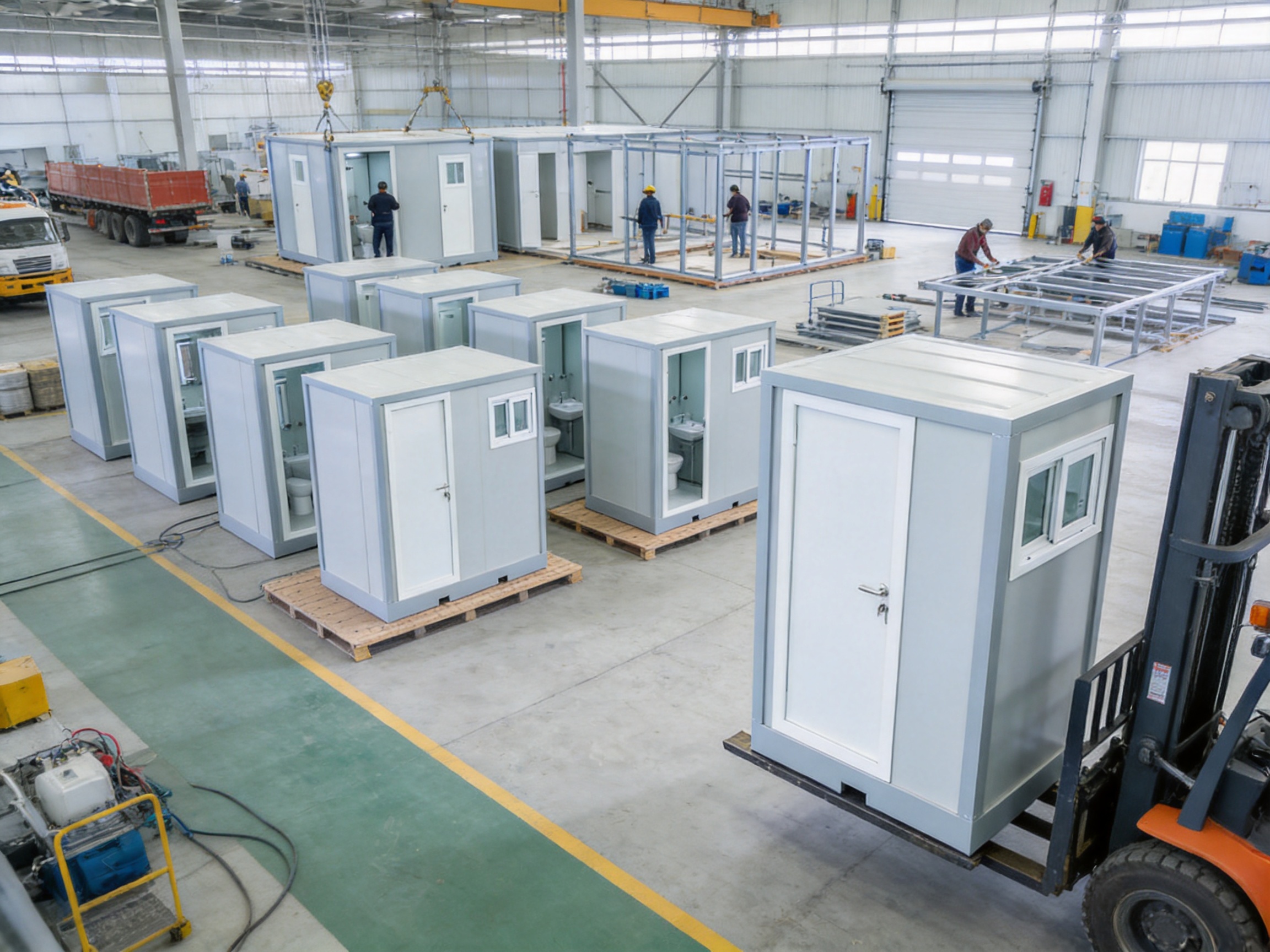
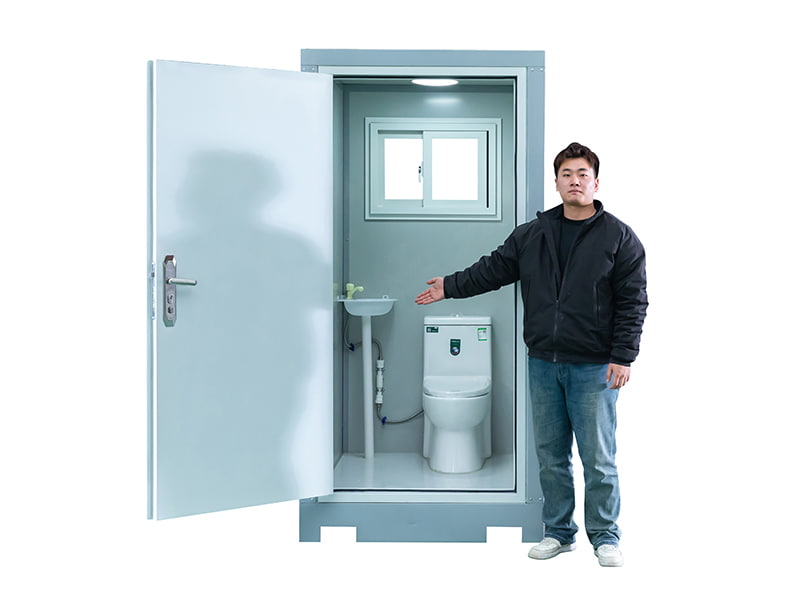
Single-Person XL Outdoor Portable Toilet
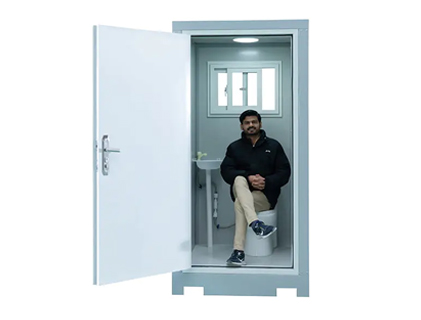
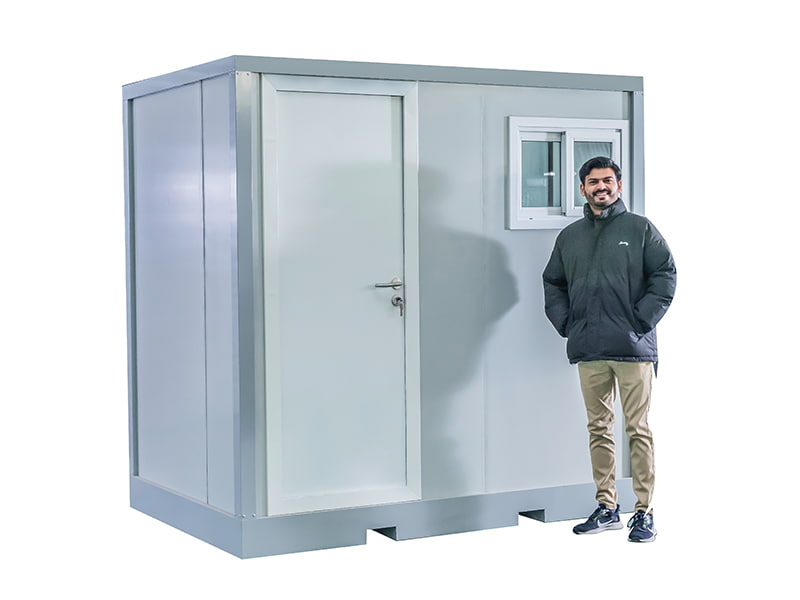
Outdoor sanitation should provide more than basic functionality. It should offer privacy, comfort, cleanliness, reliability, and practical flexibility wherever people need temporary facilities. The Single-Person XL Outdoor Portable Toilet is designed around this broader understanding of mobile sanitation. Instead of treating a portable restroom as a narrow, cramped enclosure used only for the shortest possible visit, it provides a spacious single-user interior that supports a more comfortable and dignified experience.
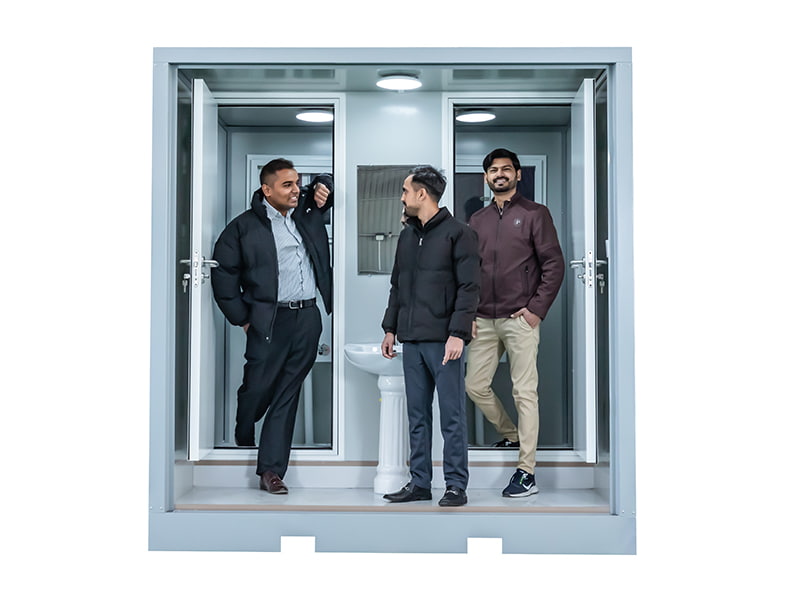
This XL portable toilet is suitable for construction sites, camping areas, emergency response operations, public events, remote work locations, temporary accommodation projects, and other environments where permanent plumbing facilities are unavailable or impractical. Its single-person configuration creates a private space for individual use, while its larger interior makes movement easier and allows optional hygiene equipment to be installed inside.
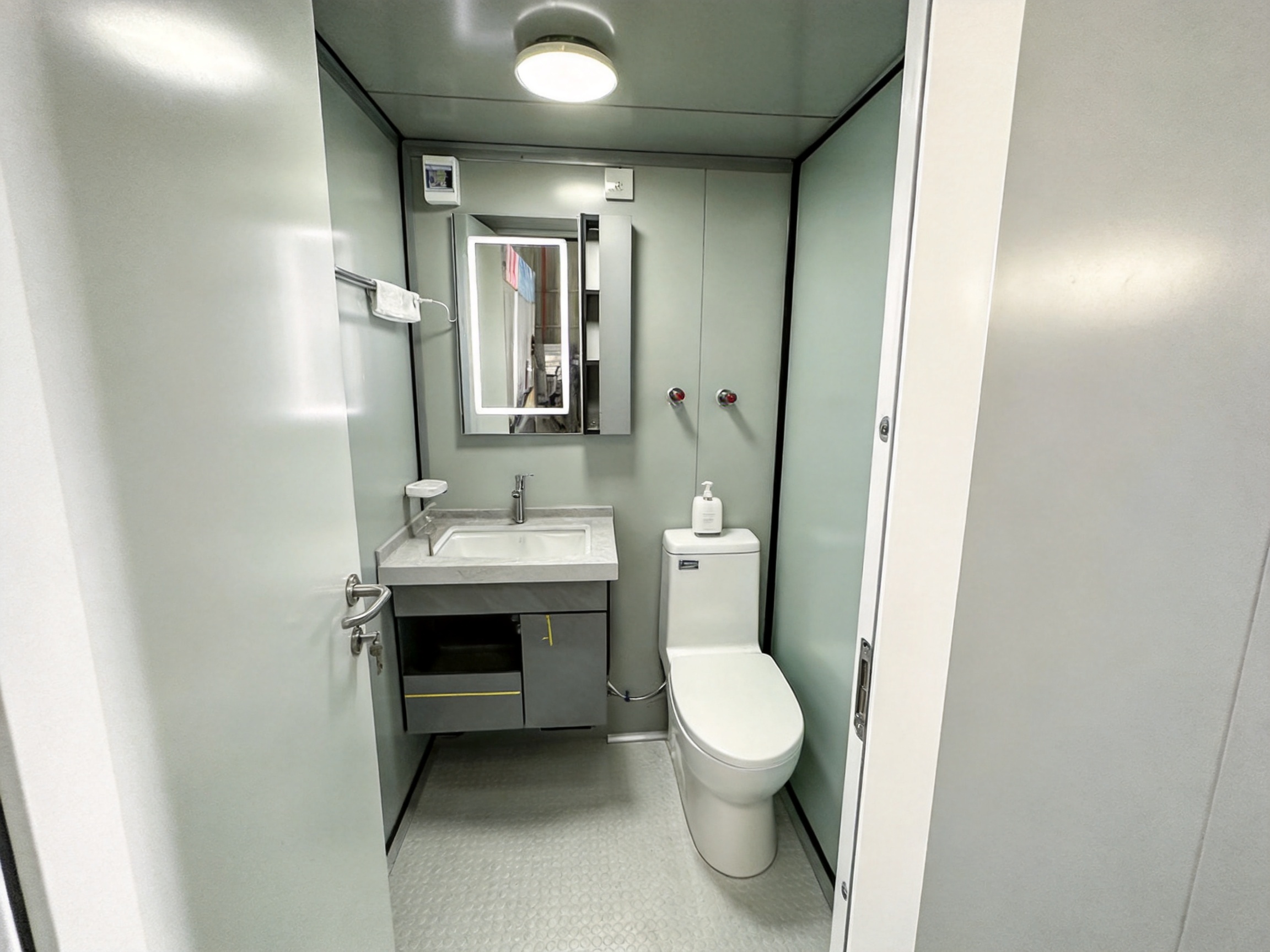
The unit can be configured with a washbasin or other personal hygiene facilities, transforming it from a basic portable toilet into a compact sanitation and washing station. This versatility is especially valuable in locations where users need a complete personal facility rather than a toilet compartment alone. It can support workers, campers, emergency personnel, visitors, and residents in temporary housing environments.
Behind this product is the manufacturing capability of Suzhou Taimao Integrated Housing Co., Ltd., a Chinese supplier specializing in modular buildings, temporary housing, portable structures, steel construction, and integrated building systems. The company’s experience with prefabricated construction, structural systems, insulated panels, mechanical and electrical integration, interior finishing, and factory-based production provides a strong foundation for developing durable and customizable outdoor sanitation products.
Content
- 1 Understanding the Single-Person XL Concept
- 2 Advantages Over Standard Portable Restrooms
- 3 Durability for Outdoor Deployment
- 4 Rapid Deployment and Relocation
- 5 Manufacturing Strength and Integrated Building Expertise
- 6 Factory-Based Production and Quality Control
- 7 Customization for Different Customer Requirements
- 8 Applications in Construction and Temporary Housing
- 9 Applications in Emergency Relief and Remote Locations
- 10 Hygiene, Cleaning, and Maintenance
- 11 Safety and User Experience
- 12 Why Choose an Integrated Modular Manufacturer?
- 13 Sustainable Construction and Resource Efficiency
- 14 Purchasing Considerations
- 15 Comparison with Alternative Temporary Sanitation Options
- 16 Quality, Certification, and Project Documentation
- 17 Q&A
- 17.1 What makes this portable toilet different from a standard portable restroom?
- 17.2 Can a washbasin be installed inside the unit?
- 17.3 Where can the XL outdoor toilet be used?
- 17.4 Is the unit suitable for repeated relocation?
- 17.5 Does the unit require a permanent sewer connection?
- 17.6 Can the exterior and interior be customized?
- 17.7 What type of site is needed for installation?
- 17.8 How does factory production benefit the buyer?
- 17.9 Can this product be supplied as part of a larger modular project?
- 17.10 What maintenance is required?
- 17.11 Can the unit support emergency operations?
- 17.12 How should buyers begin a project inquiry?
- 18 Conclusion
- 19 References
- 20 Product: Single-Person XL Outdoor Portable Toilet
Understanding the Single-Person XL Concept
Many conventional portable toilets are designed primarily to minimize footprint and maximize the number of units that can be placed in a limited area. This approach can be useful for large gatherings, but it often produces a small interior with limited turning space and minimal room for personal hygiene equipment. Users may have difficulty entering, closing the door, changing clothes, assisting a child, or using the facility comfortably for an extended period.
The Single-Person XL Outdoor Portable Toilet takes a different approach. It is designed for one user at a time, but its interior emphasizes usable personal space. The result is a private compartment that feels less restrictive than a standard narrow portable toilet. The additional room allows a user to move more naturally and reduces the uncomfortable feeling associated with highly compact restroom cabins.
The larger interior is also valuable for users with equipment, outdoor clothing, protective workwear, or personal belongings. A construction worker wearing safety gear, a camper carrying outdoor clothing, or an emergency responder working in difficult conditions may need more room than a standard compact toilet provides. The XL layout gives the user greater freedom without requiring a full permanent restroom building.
Single-user operation also supports privacy. The design creates a self-contained environment where the occupant can use the facility without sharing an interior area with another person. This can be important at construction sites, temporary accommodation areas, relief camps, private outdoor events, and locations where users require a higher level of personal comfort.
Advantages Over Standard Portable Restrooms
More Interior Comfort
The primary advantage of the XL configuration is the additional interior space. Traditional portable toilets are often optimized for transportation efficiency and minimum installation area. Although these priorities remain important, they do not always meet the expectations of users who need a comfortable, private, and practical facility.
A spacious single-user compartment provides more room for entering, turning, sitting, standing, and exiting. The improved movement area can make a meaningful difference during repeated daily use. At a busy construction site or remote work camp, the same facility may be used many times each day. A larger interior helps reduce the physical inconvenience associated with a narrow enclosure.
Extra space can also benefit older users, people carrying personal equipment, and individuals who need a little more room to move safely. The unit should not be viewed only as a toilet box; it can function as a compact personal sanitation room with the potential for additional internal equipment.
Greater Privacy
Privacy is one of the most important qualities of any restroom, whether permanent or portable. The single-person format provides a dedicated private room rather than a shared or divided interior. This arrangement is appropriate for locations where users may be working, living, or staying for extended periods.
Privacy is especially significant in emergency relief operations and temporary accommodation projects. People affected by natural disasters, infrastructure failures, or displacement need facilities that preserve dignity as well as hygiene. A private XL portable toilet can help support a more respectful environment in temporary camps, medical support areas, and recovery zones.
For outdoor events, the unit can serve as a premium private restroom option alongside standard facilities. For construction projects, it can be allocated to managers, staff, visitors, or workers who require a more comfortable facility. For private properties and rural locations, it can provide a practical sanitation solution without the immediate cost and complexity of permanent construction.
Optional Washbasin and Hygiene Facilities
A major product advantage is the possibility of installing a washbasin or personal hygiene setup inside the unit. In many outdoor environments, a toilet alone is not enough. Users may also need to wash their hands, clean equipment, rinse personal items, or perform basic hygiene routines before returning to work or accommodation areas.
By combining toilet and washing functions in one private enclosure, the unit can simplify site planning. Operators may reduce the need for separate temporary hygiene structures and may be able to place the facility closer to the actual point of use. This is useful at remote worksites, outdoor camps, agricultural locations, temporary clinics, and emergency deployment areas.
The specific washbasin configuration can be adapted to the project. Depending on the intended application, the unit may be designed for connection to a water supply, a temporary water tank, or another approved water delivery system. Drainage and wastewater arrangements should be planned according to local regulations, site conditions, and the selected sanitation equipment.
Flexible Use in Different Environments
The Single-Person XL Outdoor Portable Toilet is suitable for a broad range of applications. Its portability allows it to be deployed where a fixed restroom is not yet available, while its durable structure supports repeated relocation and outdoor use.
| Application | How the XL Portable Toilet Helps | Potential Configuration |
|---|---|---|
| Construction sites | Provides private sanitation near temporary work areas and project offices | Toilet, washbasin, handwashing equipment, and durable flooring |
| Camping and outdoor recreation | Offers more comfort and privacy than a basic compact toilet | Toilet, washbasin, ventilation, and easy-clean interior finishes |
| Emergency relief | Supports dignified sanitation in temporary camps and recovery areas | Rapid-deployment restroom with hygiene facilities |
| Temporary accommodation | Functions as a personal sanitation room for modular living units | Toilet, basin, shower-related provisions, and utility connections |
| Events and public activities | Provides a premium private option for guests and staff | Comfort-oriented interior and high-durability exterior |
| Remote facilities | Delivers sanitation where permanent construction is difficult | Self-contained or utility-connected system according to site needs |
Durability for Outdoor Deployment
Portable sanitation facilities must withstand more than indoor use. They may be exposed to rain, wind, sunlight, dust, temperature changes, transportation vibration, repeated loading, and frequent cleaning. For this reason, the product requires a stable structure and practical materials suitable for outdoor deployment.
The Single-Person XL Outdoor Portable Toilet is developed as a robust mobile facility rather than a disposable enclosure. Its construction is intended to support repeated relocation and regular use. A durable frame, weather-resistant external surfaces, secure doors, stable flooring, and practical interior finishes all contribute to the service life of the unit.
Structural stability is particularly important when the facility is installed on temporary or uneven ground. Before use, the operator should prepare a firm and level installation area and follow appropriate anchoring or stabilization procedures. Site preparation helps reduce movement, supports safe entry and exit, and protects the structure during adverse weather conditions.
Exterior materials and surface treatments should be selected according to the location and expected exposure. Coastal environments, industrial areas, cold regions, and high-sunlight locations may require different protective approaches. Through customization, the unit can be adapted to particular climate conditions, transportation requirements, and project standards.
Weather-Resistant Design Priorities
A weather-resistant portable toilet should address several practical areas. The roof and wall system must help protect the interior from rain and direct exposure. Door assemblies should close securely while remaining easy to operate. Ventilation should help control heat, odor, and condensation. The base should be stable and resistant to moisture-related deterioration.
The product’s outdoor application makes maintenance access important as well. Surfaces that are easy to clean can reduce downtime between users. Smooth, durable interior finishes are generally preferable to materials that absorb moisture or trap dirt. Corners, joints, fixtures, and floor transitions should be considered during the design stage because these areas can affect cleaning efficiency.
Weather resistance does not eliminate the need for maintenance. Operators should inspect the unit periodically, particularly after severe weather or relocation. Door hardware, roof joints, drainage components, ventilation openings, floor supports, and plumbing connections should be checked as part of a routine service plan.
Rapid Deployment and Relocation
One of the most important reasons to choose a portable facility is speed. Permanent restroom construction can require design approvals, excavation, foundation work, utility installation, building activities, inspections, and final commissioning. These steps are not always practical for short-term sites or urgent operations.
The Single-Person XL Outdoor Portable Toilet is intended for quick deployment after delivery and site preparation. Once positioned and connected to the selected sanitation or water systems, it can be placed into service without the long construction period associated with a permanent building. This makes it suitable for projects with compressed schedules or changing site layouts.
Relocation is another practical benefit. Construction sites may shift as work progresses. Event organizers may need facilities in different zones. Emergency response teams may move from an initial staging area to a recovery site. A portable unit can be transported and redeployed according to changing operational requirements.
Although the unit is designed for mobility, safe transportation should always be planned. The operator should confirm lifting points, vehicle dimensions, total weight, loading procedures, and road conditions before moving the facility. Professional handling helps prevent structural damage and ensures that the unit is stable when installed at its new location.
Deployment Planning
Effective deployment involves more than placing the unit on the ground. The selected site should provide suitable access for delivery, enough clearance for users, stable support, adequate drainage, and practical access for servicing. If a washbasin or water-connected equipment is included, the location should also allow for water supply and wastewater management.
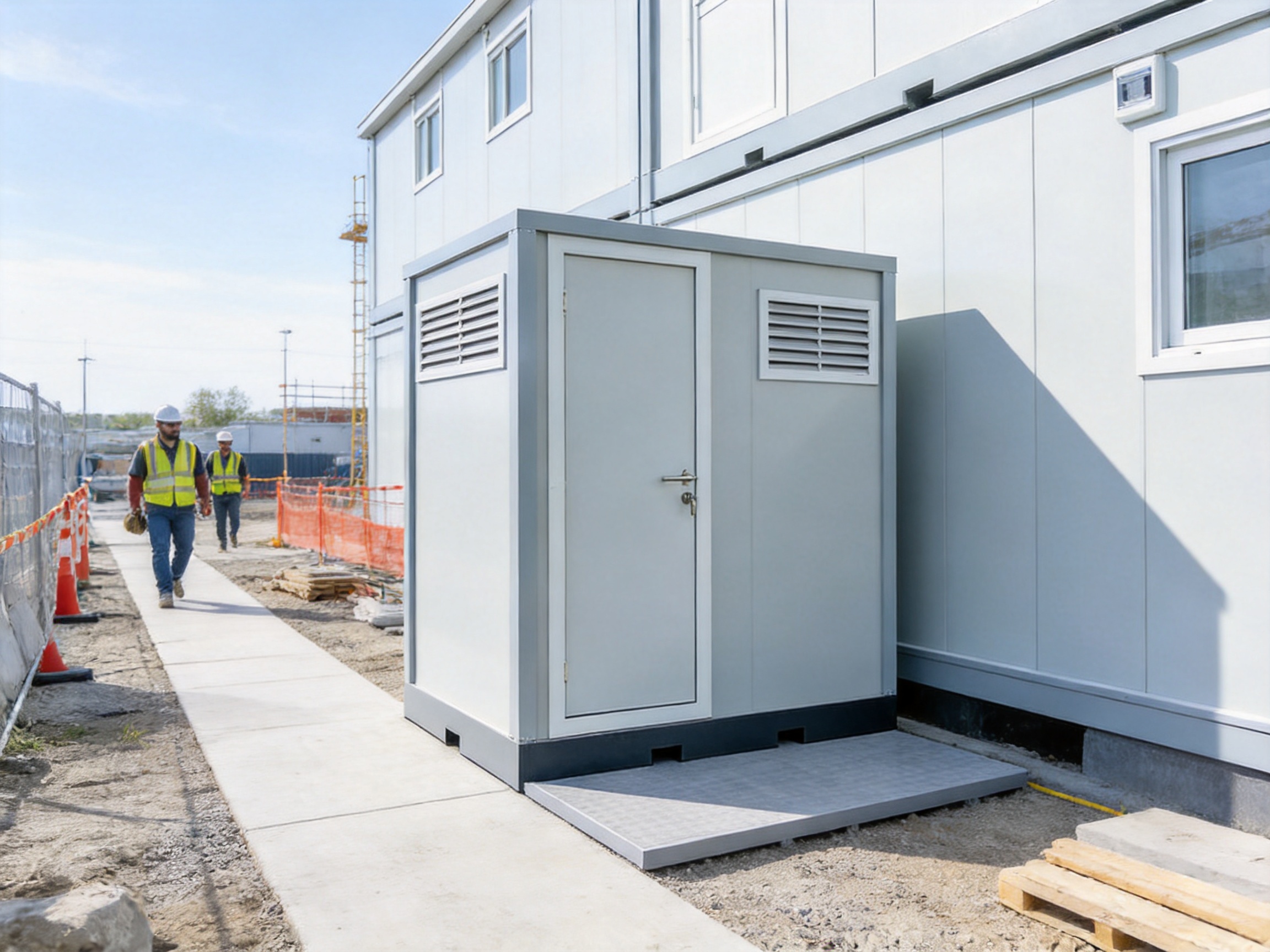
The unit should be positioned away from hazards such as unstable slopes, flood-prone depressions, heavy vehicle paths, exposed electrical equipment, and areas with falling-object risks. At public sites, operators should also consider lighting, accessibility, privacy screening, pedestrian flow, and signage.
A deployment checklist can include site leveling, stabilization, connection inspection, interior cleaning, ventilation confirmation, lock and door testing, water system testing, waste-system testing, and user-access planning. This process helps ensure that the facility is ready for reliable operation from the first day.
Manufacturing Strength and Integrated Building Expertise
The capabilities of the manufacturer are an important factor when purchasing a customized portable sanitation product. A restroom unit may appear simple from the outside, but its performance depends on the coordination of structure, enclosure materials, doors, flooring, ventilation, plumbing, electrical accessories, interior fixtures, and transportation considerations.
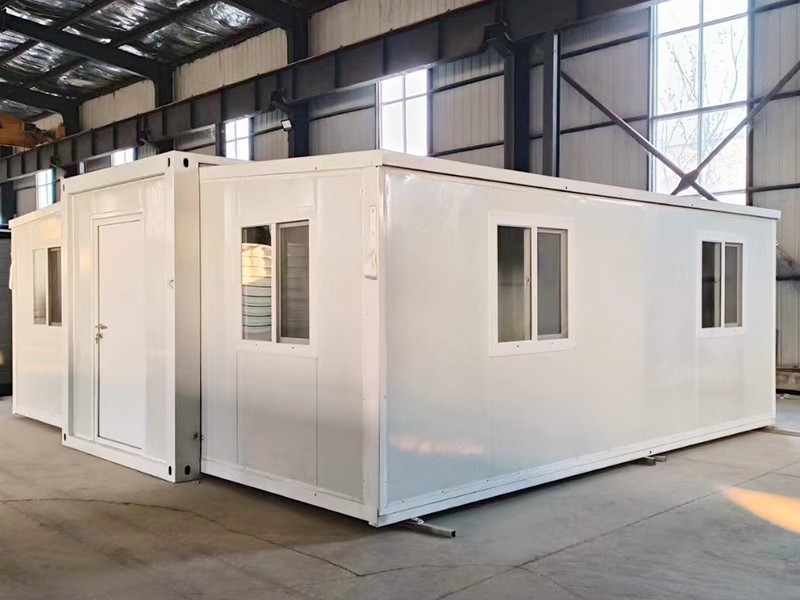
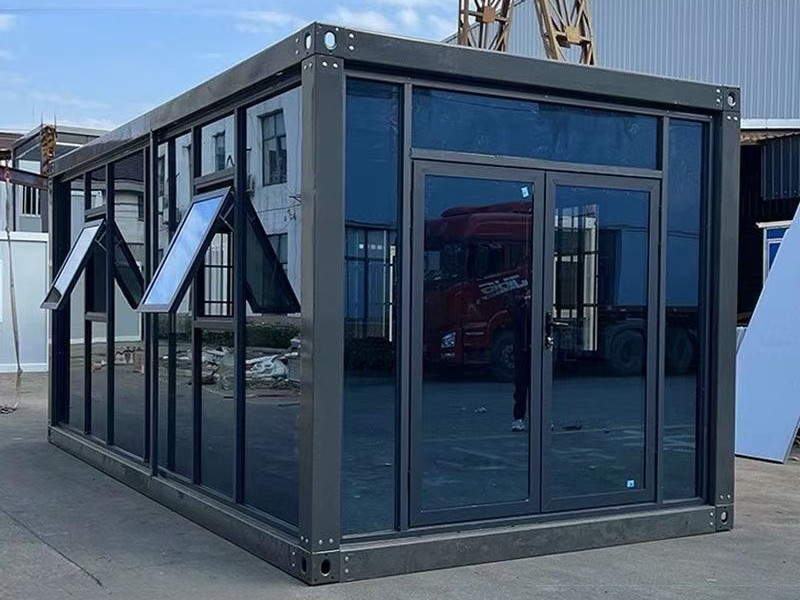
Suzhou Taimao Integrated Housing Co., Ltd. specializes in modular building solutions and prefabricated construction. Its broader product range includes container houses, folding container houses, double-wing expandable container houses, K-type prefabricated houses, steel structures, and temporary facilities. This product experience supports a systems-based approach to the design and production of portable restrooms.
The company’s manufacturing strength includes modular design, proprietary production technologies, factory-based assembly, structural integration, insulation solutions, interior finishing, and the coordination of mechanical and electrical systems. These capabilities are useful when a customer requires more than a basic standard unit.
For example, an outdoor toilet may need to be integrated with a larger temporary building project. A construction company may want matching exterior panels across worker accommodation, office modules, and sanitation facilities. An emergency organization may require several units with consistent dimensions, colors, fixtures, and maintenance procedures. An event operator may need a customized interior arrangement and a delivery schedule aligned with site preparation.
A manufacturer experienced in modular construction can coordinate these requirements more effectively than a supplier focused only on isolated plastic restroom cabins. The result can be a more coherent site solution, with compatible structural dimensions, finishes, utility connections, and transport arrangements.
Factory-Based Production and Quality Control
Factory production provides several advantages over extensive on-site fabrication. Work can be performed in a controlled environment with dedicated tools, repeatable processes, trained workers, and defined inspection stages. This can help improve dimensional consistency and reduce the effects of weather, site congestion, and uncontrolled field conditions.
For a portable toilet, factory-based assembly may include frame fabrication, panel preparation, floor installation, door fitting, interior finishing, fixture installation, sealing, and functional checks. Each stage can be reviewed before the product leaves the facility. This approach supports predictable quality and helps identify issues earlier in the production process.
Factory production can also reduce installation work at the customer’s site. Instead of transporting loose materials and organizing extensive field assembly, the customer can receive a substantially completed module. Site work may then focus on placement, stabilization, utility connection, testing, and final cleaning.
The manufacturer’s experience with modular construction and integrated building systems also supports documentation and repeat production. For buyers ordering multiple units, standardized production can help maintain consistent dimensions and appearance. Replacement components, maintenance procedures, and future additions can be planned more easily when the units follow a defined configuration.
Integration of Structure and Services
Portable sanitation products perform best when the structure and services are designed together. Plumbing should not be treated as an afterthought, because pipe routing, access panels, drainage, fixture positioning, and maintenance clearances all affect the usability of the finished facility.
The same principle applies to electrical equipment. Lighting, ventilation, handwashing accessories, water pumps, sensors, and other optional devices should be planned in relation to the frame and interior finishes. Factory coordination helps reduce visible clutter and can improve service access.
The manufacturer’s modular building background includes the integration of structure, insulation, mechanical and electrical systems, HVAC, interior finishes, and smart technologies into unified solutions. Not every portable toilet requires all of these systems, but the capability demonstrates an approach that can be scaled according to project requirements.
Customization for Different Customer Requirements
Different customers have different priorities. A remote campsite may prioritize simple operation and low maintenance. A construction company may prioritize durability and rapid relocation. An emergency organization may require fast delivery, standardized units, and simple cleaning procedures. A premium event may emphasize appearance, comfort, and visitor experience.
The XL portable toilet can be customized according to the intended application. Possible areas of customization include exterior color, surface materials, door arrangement, internal fixtures, ventilation, lighting, washbasin installation, floor finish, signage, access features, and utility connection methods.
Customization should be planned early because changes to the internal arrangement can affect structural supports, pipe routes, electrical wiring, drainage, transport dimensions, and production schedules. A clear specification helps the manufacturer prepare accurate drawings and confirm the technical feasibility of the requested configuration.
Optional Interior Hygiene Configuration
An internal washbasin can be useful when the unit is expected to serve as a complete personal hygiene station. Depending on the project, the configuration may include a basin, faucet, mirror, soap dispenser, hand dryer or paper towel holder, water tank, drainage connection, and interior lighting.
In some cases, customers may need additional space for changing clothes or cleaning personal equipment. The XL interior creates more opportunities for these functions than a compact standard cabin. Any additional equipment should be selected with moisture resistance, cleanability, safety, and maintenance access in mind.
For temporary accommodation projects, a customer may request a more comprehensive wet-room arrangement. This could require specific waterproofing, drainage slopes, ventilation, and separation between wet and dry areas. Such configurations should be treated as a specialized design rather than an automatic feature, with final details determined by technical drawings and local regulations.
Applications in Construction and Temporary Housing
Construction sites are among the most common environments for portable sanitation facilities. Workers may operate in locations where permanent buildings are still under construction or where the site layout changes frequently. A portable toilet can be installed close to the active work area and moved as the project develops.
The XL design is especially useful on large projects with long construction periods. Workers may use the same facility repeatedly throughout the day, making comfort, cleanliness, durability, and privacy important operational considerations. Optional handwashing equipment can also support better hygiene practices around the site.
Temporary accommodation projects present another important application. Modular dormitories, worker camps, disaster housing, and remote living facilities may require separate sanitation modules. The XL portable toilet can be used as an independent room or as part of a broader modular building arrangement, depending on the project layout.
When used alongside container houses or prefabricated rooms, the sanitation unit can be designed to complement the appearance and dimensions of the surrounding buildings. This creates a more organized site and may simplify procurement by allowing one supplier to coordinate several types of temporary structures.
Applications in Emergency Relief and Remote Locations
Emergency situations often create an immediate need for sanitation. Floods, earthquakes, storms, infrastructure failures, public health incidents, and displacement events can leave communities without functioning restrooms. In these circumstances, portable facilities must be delivered quickly, installed safely, and maintained with limited resources.
The Single-Person XL Outdoor Portable Toilet provides a private and relatively spacious sanitation option for temporary relief sites. It can be used near shelters, medical service areas, distribution centers, field offices, and temporary accommodation zones. The ability to add handwashing facilities is particularly useful where hygiene control is a priority.
Emergency planners may also value the unit’s flexible deployment potential. It can be transported to remote areas, placed at temporary staging locations, and relocated as the relief operation changes. A standardized design may help organizations train personnel, stock compatible service parts, and establish consistent cleaning procedures.
Remote industrial and agricultural locations can also benefit from the product. Workers in rural areas, mining support zones, forestry sites, temporary research stations, and outdoor maintenance projects may require a restroom without access to municipal utilities. In these situations, the final configuration should be selected according to water availability, waste handling, climate, and service access.
Hygiene, Cleaning, and Maintenance
A well-designed portable toilet still requires a planned cleaning and maintenance program. The frequency of service depends on the number of users, climate, sanitation system, and length of deployment. Facilities used by many people or located in hot conditions may require more frequent cleaning and waste removal.
Cleaning procedures should cover the toilet fixture, floor, wall surfaces, door handles, washbasin, faucet, ventilation areas, and frequently touched points. Approved cleaning products should be compatible with the interior materials and plumbing components. Harsh chemicals should not be used unless the manufacturer confirms that they will not damage surfaces or seals.
Regular inspection can help identify minor issues before they become major failures. Operators should check for leaks, loose fittings, blocked drains, damaged seals, door problems, cracked panels, unstable supports, and ventilation obstructions. Any water or wastewater connection should be inspected for secure attachment and proper flow.
If the unit is relocated, it should be cleaned and inspected before transport. Waste systems must be emptied or secured according to the applicable handling procedure. After relocation, the unit should be stabilized, reconnected, tested, and cleaned again before being reopened for use.
Design Features That Support Maintenance
Maintenance-friendly design reduces the time and labor required to keep a portable facility operational. Accessible service points allow technicians to reach plumbing and electrical components without unnecessary disassembly. Durable flooring and washable wall finishes simplify routine cleaning. Secure but serviceable access panels protect equipment while allowing inspection.
A clear maintenance schedule can be prepared for daily, weekly, monthly, and event-based tasks. Daily tasks may include cleaning and visual inspection. Weekly tasks may include checking fixtures and ventilation. Monthly tasks may include examining structural connections, door hardware, seals, and utility systems. Event-based inspections should follow severe weather, long-distance transport, or unusual usage.
Safety and User Experience
User safety should be considered from the moment a person approaches the facility. The access path should be stable, reasonably level, and free of obstructions. The doorway should provide sufficient clearance, and the door should operate smoothly from both sides. Interior surfaces should be easy to clean while minimizing unnecessary slip risks.
Lighting is important for evening use and low-visibility conditions. Depending on the installation, natural ventilation may be supplemented by mechanical ventilation. Adequate airflow can help control condensation, heat, and unpleasant odors, although ventilation design must be coordinated with privacy and weather protection.
Clear signage can help users understand whether the unit is available, how to operate the lock, and where to wash their hands. For public or institutional applications, customers may also request accessibility-related modifications. Such requirements should be discussed during the design stage because they may affect dimensions, ramps, grab bars, door widths, and interior clearances.
A comfortable user experience also depends on cleanliness and appearance. A well-finished, well-maintained unit can communicate quality and care, while a neglected facility may discourage proper use. The XL format supports this goal by creating a more spacious and less oppressive interior than many conventional portable toilets.
Why Choose an Integrated Modular Manufacturer?
Buying a portable restroom from an integrated modular manufacturer can provide benefits beyond the individual product. Customers may receive access to design assistance, customization, coordinated production, project documentation, delivery planning, and related temporary building products from one source.
This is particularly useful when the restroom is part of a larger project. A construction site may require offices, dormitories, dining rooms, storage modules, and sanitation units. An emergency project may need complete temporary accommodation and hygiene infrastructure. A modular housing developer may require matching bathrooms for several types of prefabricated buildings.
An integrated manufacturer can evaluate how the sanitation unit relates to the surrounding structures. This may improve consistency in exterior finishes, utility planning, site layout, and transportation. It may also reduce the communication difficulties that can arise when multiple suppliers are responsible for interconnected modules.
Suzhou Taimao Integrated Housing Co., Ltd. presents its business around globally oriented modular building solutions, factory manufacturing, digital support, quality control, and sustainable construction goals. Its SIP modular building system combines structure, insulation, MEP services, HVAC, interior finishes, and smart-home technologies in a unified prefabricated approach. While a portable toilet is a more compact product, the same integrated philosophy can support its design and production.
Sustainable Construction and Resource Efficiency
Prefabricated and modular construction can contribute to resource efficiency by moving much of the work into a controlled factory environment. Accurate cutting, repeatable assembly, planned material use, and reduced on-site waste can improve production efficiency. Shorter site installation periods may also reduce disturbance to the surrounding area.
A portable toilet can support reuse because it is designed for relocation rather than demolition after a temporary project ends. A well-maintained unit may serve several sites during its service life. This helps organizations obtain more value from the product and may reduce the need to construct disposable temporary facilities for every project.
Optional water-saving fixtures and efficient lighting can further reduce operating demands. Waste handling should be managed responsibly, with systems selected according to local requirements and environmental conditions. Sustainability depends not only on the product itself but also on transportation planning, cleaning methods, maintenance quality, and end-of-life material management.
The manufacturer’s broader focus on reducing ecological impact and accelerating construction through prefabrication aligns with the practical goals of mobile sanitation. A reusable, repairable, and adaptable facility can support a more efficient temporary infrastructure strategy.
Purchasing Considerations
Before ordering a Single-Person XL Outdoor Portable Toilet, customers should define the intended application and operating environment. Important questions include the expected number of users, deployment duration, climate, site access, available utilities, waste treatment method, cleaning resources, and transportation requirements.
The buyer should also determine whether the unit will be used independently or placed beside other modular buildings. If it is part of a larger project, matching finishes, dimensions, and utility systems may be desirable. The customer should specify whether a washbasin, lighting, ventilation, signage, or other hygiene equipment is required.
Delivery planning is equally important. The buyer should confirm the route to the installation site, vehicle access, unloading equipment, final placement area, and any restrictions related to width, height, or weight. Early coordination helps avoid delays after production is complete.
Technical documentation should identify the selected materials, internal layout, fixtures, connection points, maintenance access, and installation requirements. A clear approval process gives both the customer and manufacturer an opportunity to resolve questions before fabrication begins.
Comparison with Alternative Temporary Sanitation Options
Customers may compare the XL portable toilet with standard portable toilets, restroom trailers, permanent buildings, and improvised temporary enclosures. Each option has a suitable application, but the XL unit occupies a useful middle position between a basic compact cabin and a larger permanent or trailer-based facility.
Compared with a standard portable toilet, it offers a more spacious private interior and greater potential for integrated hygiene equipment. Compared with a restroom trailer, it may require less setup area and can be easier to deploy as an individual facility. Compared with permanent construction, it can be installed more quickly and relocated when the project changes.
The most suitable choice depends on the scale and duration of the operation. Large events may require a combination of units. A long-term site may benefit from several customized modules. A small remote project may need only one XL facility. The product’s flexible configuration allows it to serve different roles within a wider sanitation plan.
Quality, Certification, and Project Documentation
Commercial and international buyers often require documentation before purchasing a temporary facility. Depending on the destination and application, this may include product drawings, material information, packing details, installation instructions, inspection records, and declarations related to applicable standards.
Requirements vary by country, municipality, project owner, and end use. Customers should identify local regulations concerning sanitation, electrical systems, wastewater, accessibility, fire safety, transportation, and temporary structures. The manufacturer can then review which design and documentation requirements apply to the order.
For larger projects, buyers may request sample approvals, factory inspections, production photographs, quality records, or pre-shipment checks. These measures can help confirm that the delivered units match the approved specification. Clear communication between the customer and manufacturer remains essential throughout the process.
The company’s focus on globally oriented modular solutions and controlled factory production supports cooperation with overseas buyers. However, final compliance remains dependent on the project specification, selected equipment, destination regulations, and installation conditions.
Q&A
What makes this portable toilet different from a standard portable restroom?
The main difference is the XL single-person interior. It provides more room for movement, improved privacy, and the possibility of adding a washbasin or personal hygiene equipment. It is designed for users who want a more comfortable sanitation experience than a narrow standard cabin typically provides.
Can a washbasin be installed inside the unit?
Yes. The product can be configured with a washbasin or other hygiene facilities. The exact arrangement depends on the customer’s requirements, water supply, drainage method, available utilities, and local regulations.
Where can the XL outdoor toilet be used?
It can be used at construction sites, camping locations, emergency relief areas, temporary accommodation projects, outdoor events, remote work locations, rural properties, and other sites where permanent restroom construction is unavailable or unsuitable.
Is the unit suitable for repeated relocation?
Yes. It is designed as a portable facility for flexible deployment and relocation. Safe transport requires suitable handling equipment, proper preparation, and stabilization at the new site.
Does the unit require a permanent sewer connection?
Not necessarily. The sanitation and wastewater configuration can be selected according to the application. Some projects may use temporary tanks or self-contained systems, while others may connect to available water and drainage infrastructure. The final arrangement should comply with local requirements.
Can the exterior and interior be customized?
Customization may be available for colors, finishes, fixtures, washbasins, ventilation, lighting, signage, doors, flooring, and utility connections. Customers should provide their requirements during the quotation and design stage.
What type of site is needed for installation?
The unit should be placed on a stable, reasonably level, and well-drained surface with sufficient access for delivery and servicing. The site should be free from major hazards and should allow safe entry, exit, cleaning, and waste-system maintenance.
How does factory production benefit the buyer?
Factory production supports controlled assembly, consistent dimensions, organized quality checks, coordinated service installation, and reduced site labor. It can also simplify repeat orders and help ensure that multiple units follow the same approved design.
Can this product be supplied as part of a larger modular project?
Yes. The manufacturer’s broader experience includes container houses, prefabricated buildings, steel structures, and integrated modular systems. The restroom can be considered as an independent facility or as one component of a wider temporary housing, construction, or emergency infrastructure project.
What maintenance is required?
Maintenance generally includes regular cleaning, waste-system servicing, inspection of water and drainage connections, checking door hardware, examining ventilation, and reviewing the stability of the structure. The service frequency depends on usage, climate, deployment duration, and the selected equipment.
Can the unit support emergency operations?
Yes. Its private interior, flexible deployment, and optional hygiene facilities make it suitable for temporary relief camps, medical support areas, recovery sites, and other emergency applications. Delivery and installation planning should be completed in advance whenever possible.
How should buyers begin a project inquiry?
Buyers should provide the intended application, quantity, destination, required dimensions, interior fixtures, water and wastewater arrangements, climate conditions, customization needs, and expected delivery schedule. This information allows the manufacturer to prepare a more accurate technical proposal.
Conclusion
The Single-Person XL Outdoor Portable Toilet provides a practical answer to the limitations of cramped, basic temporary restrooms. Its larger private interior improves comfort and movement, while the option to install a washbasin or hygiene station expands its usefulness beyond a simple toilet compartment. The unit is suitable for construction, camping, emergency relief, temporary housing, events, and remote operations.
Its value comes from the combination of portability, durability, privacy, rapid deployment, and flexible configuration. It can be installed where permanent construction is not practical, moved as project requirements change, and integrated into a wider modular building plan. Proper site preparation, sanitation planning, cleaning, and maintenance will help ensure reliable performance throughout its service life.
The manufacturing capabilities of Suzhou Taimao Integrated Housing Co., Ltd. add further value for customers seeking a customized or project-based solution. Experience in modular design, steel structures, prefabricated buildings, integrated services, factory production, SIP systems, and digital support provides a strong foundation for producing coordinated temporary facilities.
For organizations that want more than the minimum level of outdoor sanitation, this XL portable toilet offers a more comfortable and adaptable alternative. It combines the efficiency of a portable module with the privacy and usability expected from a dedicated personal restroom, making it a valuable component of modern temporary infrastructure.
References
1. Manufacturer-provided product specifications for the Single-Person XL Outdoor Portable Toilet.
2. Manufacturer-provided information on modular housing, prefabricated construction, steel structures, and temporary building systems.
3. General principles of portable sanitation planning, temporary facility management, and outdoor hygiene operations.
4. General guidance on factory-based modular construction, integrated building services, and prefabricated project delivery.
5. General occupational safety principles for temporary construction sites, emergency facilities, and remote work locations.
6. General environmental management principles for water use, wastewater handling, reusable temporary structures, and facility maintenance.
Product: Single-Person XL Outdoor Portable Toilet

For exclusive deals and latest offers, sign up by entering your email address below.

-
TEL:+86 18762912902
-
Email:cntaimao@163.com
-
WhatsApp:
-
Add:Group 5, Cao Village, Zhenze Town, Suzhou, Jiangsu, China
Copyright © Suzhou Taimao Integrated Housing Co., Ltd.
All Rights Reserved.
 Wholesale movable homes for sale
custom built modular homes